
Beauty Blog
Anti Aging Skincare Routine Example That Works

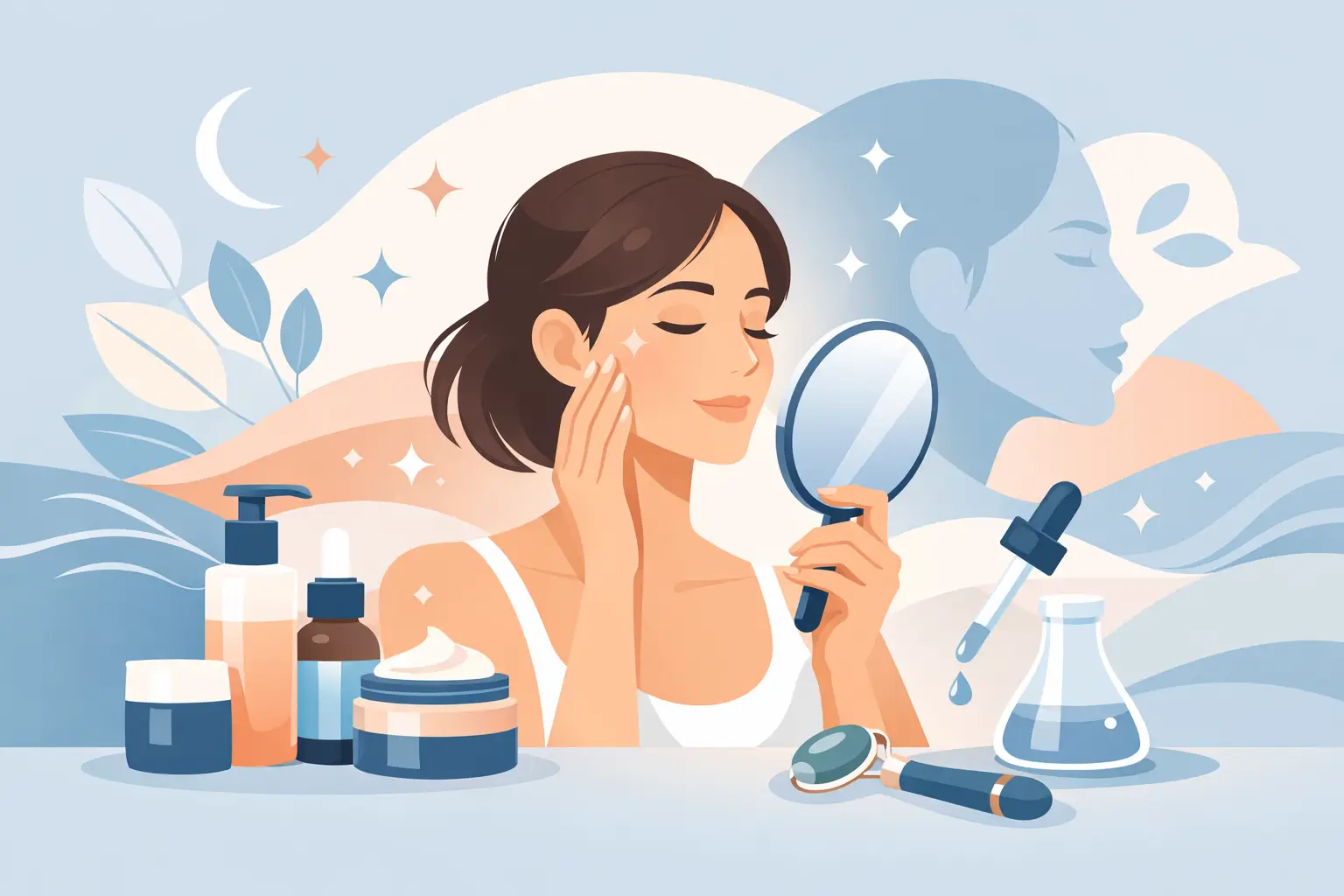
A beautiful routine should not feel like a 12-step performance. If your mirror is crowded with half-used bottles and your skin still looks tired by noon, an anti aging skincare routine example can be far more useful than another trend forecast. The goal is simple – smoother texture, better hydration, more luminosity, and daily protection that supports your skin now and over time.
Luxury skincare is not about excess for the sake of excess. It is about choosing the right formulas, applying them in the right order, and being consistent enough to see the kind of refinement that reads as fresh, polished, and quietly youthful. The most elegant routine is one you can actually keep.
An anti aging skincare routine example for real life
The best anti-aging routine is not the longest one. It is the one that protects your skin in the morning, repairs and replenishes it at night, and respects your skin type instead of fighting it.
If you have normal to dry skin, your routine will usually lean richer and more nourishing. If you are combination or oily, you may want lighter textures with the same level of performance. If your skin is sensitive, fewer steps with soothing ingredients often deliver better results than an aggressive lineup.
A strong anti-aging routine revolves around four priorities: cleanse without stripping, treat with intention, moisturize deeply, and never skip sun protection. Everything else is secondary.
Morning routine: protect your glow
Morning skincare should make your skin look beautiful now while defending it from the daily factors that age it faster. Sun exposure, dehydration, and irritation can dull the skin long before fine lines become your main concern.
Step 1: Gentle cleanse
Start with a gentle cleanser or a simple rinse, depending on your skin. If your skin is dry or sensitive, a morning splash of lukewarm water may be enough. If you wake up oily or use heavier nighttime products, a creamy or low-foam cleanser helps create a clean base without leaving your face tight.
This step matters because harsh cleansing can weaken the skin barrier. When that happens, skin often looks less radiant, not more. A clean face should feel soft and comfortable, never squeaky.
Step 2: Antioxidant support
After cleansing, apply a treatment that helps defend against environmental stress. A vitamin C serum is a classic option because it can brighten the look of skin and support a more even tone over time. If vitamin C irritates your skin, a gentler antioxidant formula may be the better choice.
You do not need five serums layered together. One well-formulated treatment used consistently usually outperforms a complicated mix that your skin cannot tolerate.
Step 3: Hydration that also comforts
Next comes moisturizer. This is where many routines either become elegant or fall apart. A good anti-aging moisturizer should do more than sit on the skin. It should soften, calm, and help create that smooth, light-catching finish that makes skin look expensive.
Look for ingredients that support hydration and comfort, such as hyaluronic acid, glycerin, squalane, or soothing botanical components. If your skin tends to feel reactive, barrier-supportive creams are especially valuable.
Step 4: SPF every single day
This is the non-negotiable step in any anti aging skincare routine example. You can invest in serums, facials, and rich creams, but without daily sun protection, you are asking your skin to recover while exposing it to the very thing that accelerates visible aging.
A broad-spectrum SPF 30 or higher is essential, and many women prefer SPF 50 for stronger daily coverage. The best sunscreen is one you enjoy wearing – one that does not pill, sting, or leave your complexion looking dull. A moisturizer with high SPF can make this step feel more luxurious and more practical, especially if you want hydration and sun protection in one refined layer.
If you spend extended time outdoors, reapplication matters. Makeup, lifestyle, and climate all affect how easy this is, so find a format that fits your day rather than pretending you will suddenly become someone else.
Evening routine: replenish and renew
Night is where your routine becomes more corrective. You are no longer dressing the skin for the day. You are helping it recover.
Step 1: Remove makeup and sunscreen thoroughly
If you wear makeup, long-wear complexion products, or high-SPF formulas, start with an oil cleanser, balm, or micellar step. Follow with a gentle cleanser to remove any remaining residue.
This two-step approach is especially useful if your skin often looks congested or textured. Leaving sunscreen and makeup on the skin can interfere with your treatment products and make pores appear more noticeable.
Step 2: Apply one targeted treatment
Evening is the ideal time for ingredients that support renewal. Retinol is the best-known option because it helps improve the appearance of fine lines, uneven texture, and dullness. But it is not the only path.
If you are new to retinol, start slowly – two nights a week is enough at first. If your skin is sensitive, consider a gentler retinoid alternative or a peptide serum. If your biggest concern is tone rather than lines, a treatment focused on brightening and calming may suit you better.
The trade-off is simple. Stronger actives can deliver visible results faster, but they also carry a higher chance of irritation. Elegant skin rarely comes from overdoing it.
Step 3: Seal in moisture
After treatment, use a nourishing night cream. This is your chance to restore softness and support the skin barrier while you sleep. Richer does not always mean better, but your evening cream should leave your skin feeling cocooned, not greasy.
Women with drier skin may love a velvety cream that wraps the face in moisture. Combination skin may prefer a lighter gel-cream texture with enough richness around the eyes and mouth, where early lines often become more visible.
A simple weekly rhythm that makes a difference
Daily consistency matters most, but one or two weekly adjustments can refine the results. Exfoliation is the most common example. A gentle chemical exfoliant once or twice a week can help skin look brighter and smoother, especially if it has become rough or tired-looking.
The key is restraint. If you use retinol, piling on frequent exfoliation can leave skin red, flaky, and sensitized. That does not look youthful. It looks overworked.
A hydrating mask can also be lovely before an event or after travel, dry weather, or late nights. Think of it as support, not the backbone of your routine.
How to adjust this anti aging skincare routine example by skin type
Dry skin usually needs creamier cleansers, richer moisturizers, and less frequent exfoliation. The focus is comfort, bounce, and barrier support.
Oily or combination skin still needs hydration, but texture becomes everything. Lightweight serums, non-heavy creams, and reliable SPF help the skin look fresh rather than slick.
Sensitive skin benefits from a quieter routine. Use fewer actives, patch test new products, and give each formula time to prove itself. Chasing quick results often backfires here.
Mature skin may need more nourishment and a stronger emphasis on tone, firmness, and visible smoothness. That said, age alone does not define skin needs. Lifestyle, climate, hormones, and sun exposure all shape what your skin asks for.
What most women get wrong
The most common mistake is inconsistency. The second is choosing products for fantasy skin instead of your actual skin. A glamorous shelf can be appealing, but visible results usually come from a disciplined edit.
Another mistake is treating irritation like progress. Tingling, peeling, and tightness are not badges of honor. Sometimes your skin needs active renewal. Sometimes it needs calm, moisture, and protection. Knowing the difference is where sophistication shows.
This is also why multitasking products can be so powerful. A moisturizer that hydrates, soothes, and delivers high-level SPF answers real life beautifully. It shortens the routine without lowering the standard, which is often the smartest way to maintain consistency.
The routine in its most polished form
In the morning, cleanse gently, apply an antioxidant treatment, moisturize, and finish with SPF 50. In the evening, remove makeup and sunscreen, cleanse again, apply one targeted treatment such as retinol or peptides, and follow with a nourishing cream.
That is enough for most women to build a refined anti-aging ritual with visible impact. You can always add more later, but you do not need more to begin looking fresher, smoother, and more radiant.
There is a certain confidence in knowing your skin is cared for before the makeup, before the outfit, before the jewelry. When your routine is right, beauty feels less like effort and more like presence.