
Beauty Blog
A Complete Guide to Skin Hydration That Glows

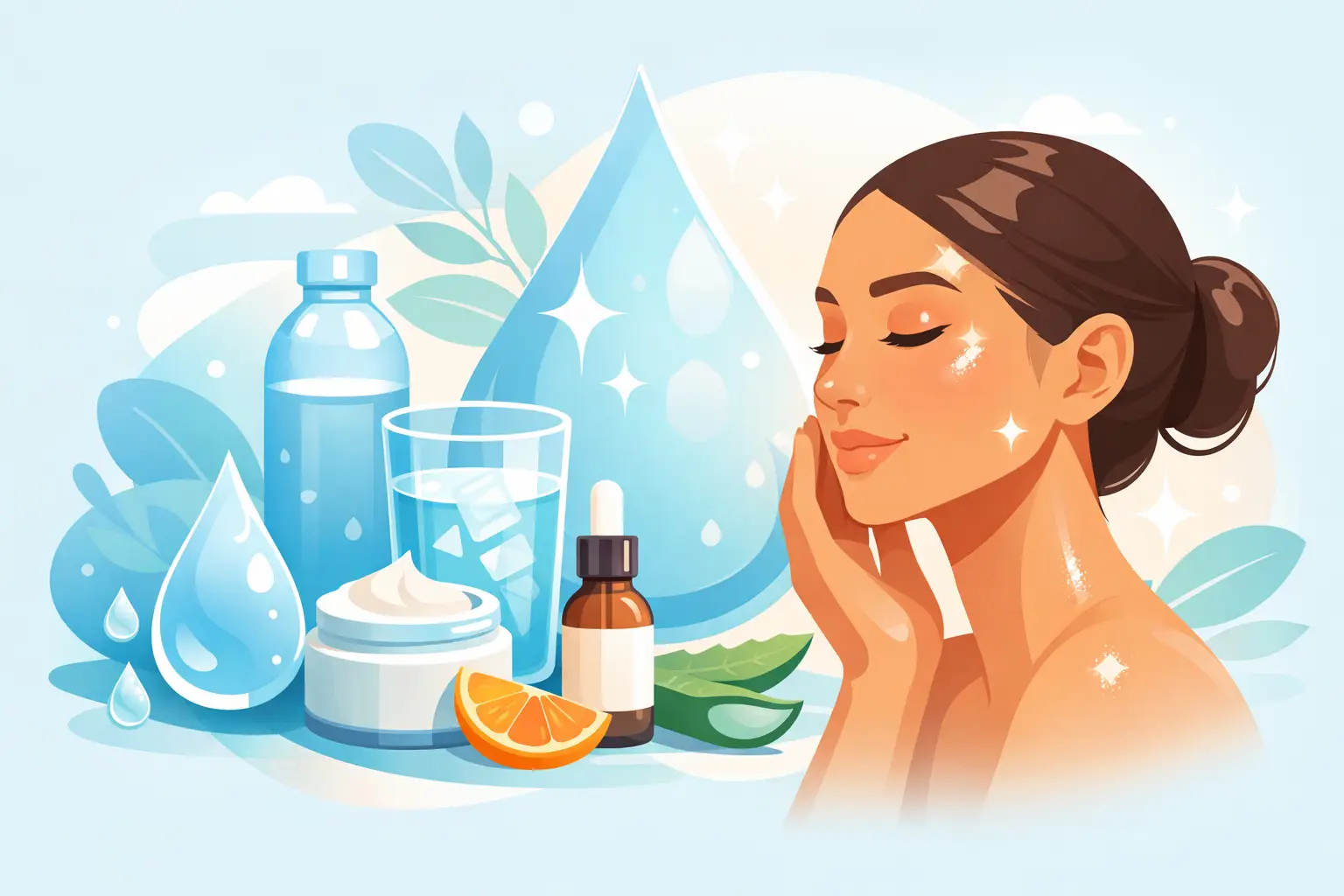
Skin can look tired long before it feels dry. Makeup may settle around the mouth, fine lines can appear more visible, and even a beautiful complexion can lose its soft, light-catching finish. This complete guide to skin hydration is for creating the kind of healthy-looking radiance that feels polished up close, not merely adding another cream to an already crowded vanity.
Hydration is not about chasing a dewy look at any cost. It is about helping skin hold the water it needs, supporting its protective barrier, and choosing textures that leave your face comfortable, smooth, and beautifully cared for throughout the day. The right routine should feel like an act of elegance, with real skin benefits behind every step.
What Skin Hydration Really Means
Hydrated skin has enough water within its outer layers to appear plump, flexible, and luminous. When water levels drop, skin may feel tight, look dull, or show texture more clearly. Dehydration can happen to every skin type, including oily and acne-prone skin. Oil and water are not the same thing, which is why a shiny complexion can still be thirsty.
Dry skin, by contrast, usually produces less of its own protective oil. It often needs richer nourishment as well as hydration. Dehydrated skin needs water-binding ingredients and a routine that helps keep that water from evaporating. Many women have both conditions at once, especially during winter, after travel, or when using strong exfoliants and retinoids.
The goal is not a heavy, coated feeling. The goal is skin that feels calm, looks refined, and holds its glow from morning appointments to evening plans.
A Complete Guide to Skin Hydration Starts With the Barrier
Your skin barrier is the delicate outer layer that helps keep helpful moisture in and environmental stressors out. When it is working well, your complexion tends to feel soft, even, and less reactive. When it is compromised, products that once felt luxurious may sting, dryness can return quickly, and redness may become more noticeable.
Over-cleansing, hot water, frequent scrubs, aggressive acids, dry indoor air, and too many active ingredients can all disturb this balance. A radiant routine is often less about doing more and more about choosing better.
Look for formulas that combine three kinds of support. Humectants, such as glycerin and hyaluronic acid, draw water toward the skin. Emollients, including certain plant oils, fatty acids, and ceramides, soften roughness and improve the feel of the surface. Occlusive ingredients create a light seal that slows moisture loss. The ideal combination depends on your skin and climate.
If you live in a humid climate or prefer a lighter finish, a water-based serum followed by a silky moisturizer may be enough. In cold, windy, or air-conditioned environments, a richer cream can be the difference between a temporary glow and comfort that lasts all day.
Build a Hydration Ritual That Feels Luxurious
A beautiful routine does not need ten steps. It needs a thoughtful order and formulas that suit your complexion. Begin with a gentle cleanse that removes makeup, sunscreen, and the day without leaving skin squeaky or tight. That stripped feeling is not proof of a better cleanse. It is often a sign that your skin needs more kindness.
Apply your hydrating serum while skin is still slightly damp. This small detail matters because humectants perform beautifully when there is water available to bind. Press the product into the cheeks, forehead, and neck rather than rubbing quickly. Give it a moment to settle.
Follow with moisturizer to soften the skin and help hold hydration in place. During the day, finish with broad-spectrum sunscreen. Sun exposure is one of the fastest ways to undermine the smooth, fresh look hydration creates, because UV damage affects collagen, texture, and the barrier itself. A moisturizing SPF 50 formula, such as Dream Cream, can make this essential step feel like a luxurious part of your beauty ritual rather than an obligation.
At night, repeat the gentle cleanse and hydration steps, then choose your moisturizer based on how your skin feels. If your cheeks are comfortable but your forehead gets oily, you may prefer a lighter layer across the face and a richer touch around the eyes, mouth, and neck. Skincare does not have to be all or nothing.
Choose Texture According to Your Skin, Not the Trend
The most glamorous product on a shelf is not necessarily the right one for your face. Hydration should enhance your natural finish, not leave you feeling congested, slippery, or overly matte.
For oily or combination skin, seek lightweight, non-greasy layers with humectants and barrier-supporting ingredients. Avoid assuming that skipping moisturizer will control shine. When skin feels depleted, it may compensate with more oil, while still looking uneven beneath makeup.
For dry skin, creamier textures often bring greater comfort. Ceramides, squalane, nourishing oils, and richer emollients can help reduce the feeling of tightness. If you wake up with skin that feels dry despite applying cream the night before, consider whether your evening routine needs a more protective final layer.
For sensitive skin, simplicity is a luxury. Fragrance-free formulas and a carefully edited routine may be more rewarding than a collection of high-strength treatments. Introduce one new product at a time, particularly if you are prone to redness or irritation. A product can be highly praised and still not be the right match for your skin.
For mature skin, hydration can make the surface appear smoother and more supple, but it does not erase natural expression lines or replace professional care where desired. That is not a limitation. It is a reminder to choose skincare for what it does beautifully: comfort, glow, protection, and visible polish.
The Habits That Quietly Steal Your Glow
A hydration routine can only do so much if daily habits keep working against it. Long, hot showers may feel indulgent, but they can leave the face and body more dry afterward. Keep facial cleansing water lukewarm, and apply moisturizer soon after bathing while skin is still slightly damp.
Be careful with exfoliation. A gentle exfoliant can improve the look of dull surface cells, allowing hydrating products to apply more smoothly. Too much exfoliation, however, can create the exact roughness and sensitivity you were trying to correct. For many people, one or two carefully chosen exfoliating treatments a week is plenty. If your skin is stinging, flaking, or suddenly reactive, pause exfoliants and focus on soothing barrier care.
Indoor heating, air conditioning, flights, and seasonal changes also affect how skin behaves. You may need a richer formula in January than you do in July. Your skin is allowed to have seasons. Adjusting your routine is not inconsistency – it is attention to detail.
Drinking enough water supports overall well-being, but it is not a shortcut that replaces topical skincare. If the barrier is unable to hold moisture effectively, another glass of water will not deliver the same immediate surface comfort as a well-designed serum and moisturizer. Think of internal hydration and topical care as partners.
Hydration and Makeup: The Difference You Can See
The skin beneath makeup determines much of the final result. Foundation tends to look more expensive when it rests on a smooth, hydrated surface. Concealer blends more softly around the eyes, cream blush melts in with less effort, and powder looks refined instead of chalky.
Give your morning skincare a few minutes to settle before applying makeup. If your complexion remains overly slick, you may be layering too much or using textures that are too rich for daytime. If foundation catches on dry patches, try adding a hydrating layer beneath your moisturizer or reducing exfoliation for a week.
For an event, resist the temptation to test a powerful new treatment the night before. The most reliable beauty strategy is calm, familiar care. A luminous complexion comes from consistency, not last-minute intensity.
When Hydration Needs More Than a New Cream
Persistent flaking, burning, cracking, severe redness, or itchiness may signal more than ordinary dehydration. Conditions such as eczema, rosacea, contact dermatitis, and certain acne treatments can change what your skin needs. If discomfort continues despite a gentle routine, speak with a board-certified dermatologist.
The same is true if a product causes swelling, hives, or intense irritation. Luxury should feel beautiful on the skin, never punishing. Stop using the product and seek medical guidance when symptoms are significant.
Your most radiant skin is rarely created by one dramatic purchase. It is created in the quiet confidence of daily care: gentle cleansing, intelligent moisture, faithful sun protection, and the willingness to let your routine evolve with you. Treat hydration as a signature of self-respect, and your skin can carry that luminous feeling into every room you enter.