
Beauty Blog
Does SPF Moisturizer Replace Sunscreen?

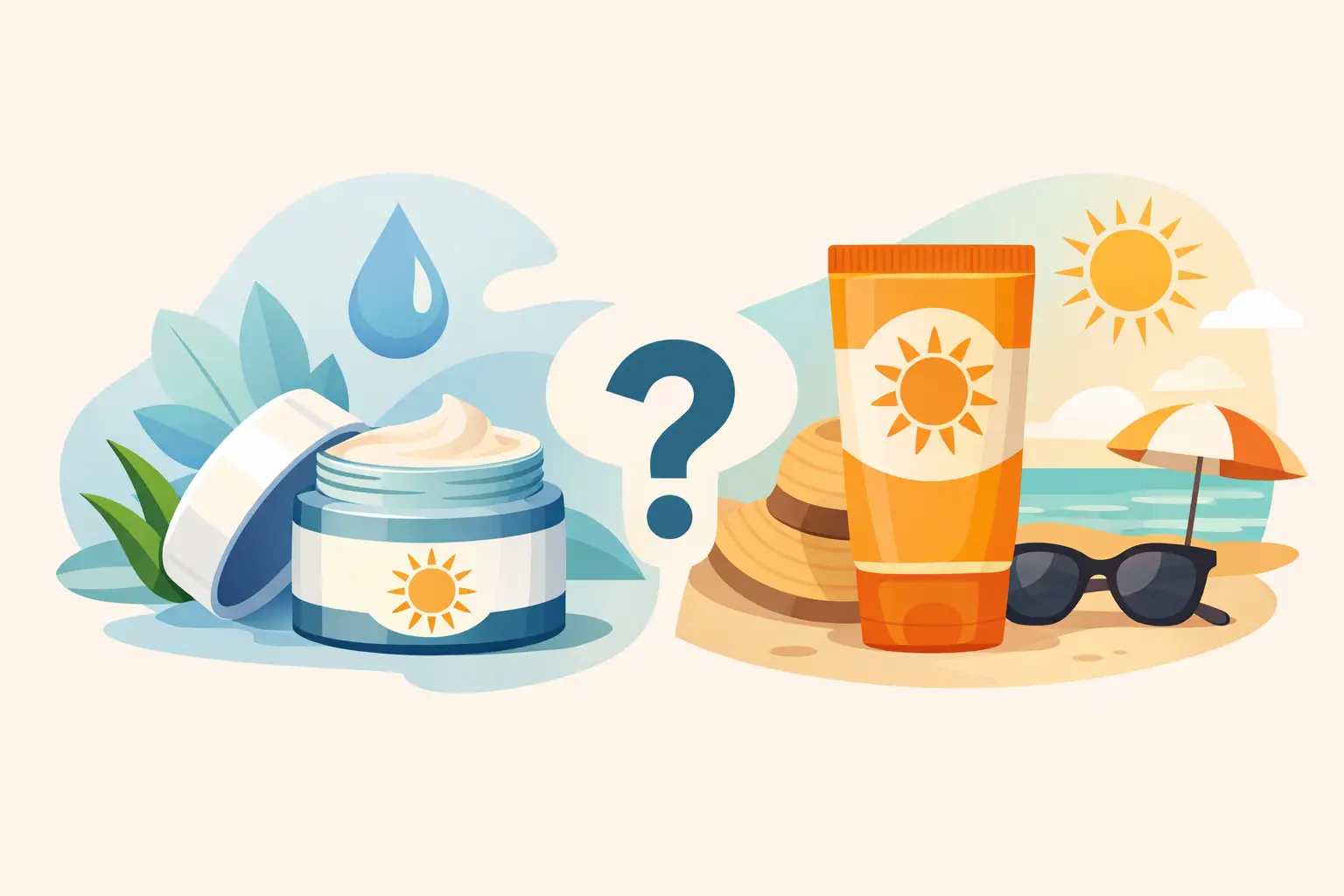
You smooth on your morning moisturizer, see SPF on the label, and wonder if that one elegant step is enough. The short answer to does SPF moisturizer replace sunscreen is sometimes – but only if the formula, the SPF level, and the amount you apply truly match what your skin needs.
That distinction matters more than most people realize. Sun protection is one of the quiet luxuries of beautiful skin. It preserves brightness, supports firmness, helps prevent uneven tone, and protects the kind of smooth, refined finish that makeup can only imitate for a few hours. If you care about glow, softness, and a more youthful look, the question is not simply whether SPF moisturizer can count. The real question is whether it protects with enough consistency to deserve your trust.
Does SPF moisturizer replace sunscreen in real life?
In theory, an SPF moisturizer can replace sunscreen. If a moisturizer is broad-spectrum, has a high enough SPF, and you apply the full recommended amount, it can function as your daytime sun protection.
In real life, this is where things become less glamorous.
Most people apply moisturizer too sparingly. They use just enough to make skin feel comfortable, not enough to reach the SPF stated on the packaging. Sunscreen testing is done with a generous application amount, and that amount is usually more than what people use with a face cream. So even if your moisturizer says SPF 30 or SPF 50, you may be getting less protection than you think.
That does not mean SPF moisturizers are ineffective. It means they are only as good as the way they are used. For a woman with a mostly indoor day, limited sun exposure, and a well-formulated broad-spectrum SPF moisturizer applied generously, one product may be perfectly reasonable. For a beach afternoon, long drive, outdoor lunch, or sunny vacation, relying on moisturizer alone can feel less like smart beauty and more like wishful thinking.
What makes an SPF moisturizer good enough?
Not every moisturizer with SPF deserves the same confidence. A formula needs broad-spectrum protection, which means it shields against both UVA and UVB rays. UVB is the burning ray people notice quickly. UVA is quieter and often more damaging over time, contributing to premature aging, discoloration, and loss of firmness.
SPF level matters too. Dermatologists often recommend at least SPF 30 for daily wear, and many women prefer SPF 50 for a stronger margin of protection. Higher SPF does not give permission to apply less, but it can offer more reassurance when application is imperfect, which, frankly, is how most skincare routines look outside a lab.
Texture also matters. If a formula pills under makeup, leaves a cast, feels greasy, or turns your morning routine into a negotiation, you are less likely to use enough of it. The best protection is the one you will wear generously and consistently. Luxury in skincare is not only about how a product looks on the shelf. It is about whether it performs beautifully enough to become part of your life.
The amount changes everything
This is the part many people skip. To get the labeled SPF on your face, you need more product than a light dab. A common guideline is about two finger lengths of sunscreen for the face and neck combined, though exact needs vary by face size and formula.
That can feel like a lot when the product is a rich cream. If your moisturizer is deeply emollient and you naturally use only a small amount, it may not deliver the protection level advertised on the jar. In that case, it is acting more like a supportive bonus than a true sunscreen replacement.
When sunscreen is still the better choice
There are days when separate sunscreen is simply the smarter, more polished move.
If you will be outdoors for extended periods, near water, sweating, traveling, or sitting by a large sunny window for hours, a dedicated sunscreen tends to be more dependable. Many sunscreens are designed specifically for UV defense, wear testing, and reapplication. They are often better suited to prolonged exposure than a moisturizer whose first job is hydration.
This is especially true if you want water resistance. Most SPF moisturizers are not built for exercise, humidity, or summer heat. If your lifestyle includes walks, tennis, pool days, or long afternoons in the sun, dedicated sunscreen earns its place.
The same goes for reapplication. During the day, you are far more likely to reapply a sunscreen than a full moisturizer. Sunscreen is easier to layer without making skin feel heavy, and that matters because no morning product protects perfectly from dawn to dinner.
Can SPF 50 moisturizer replace sunscreen?
A high-protection formula has a much better chance. If you are using an SPF 50 moisturizer that is broad-spectrum, comfortable to wear, and applied generously to the face and neck, it can absolutely serve as your primary morning UV protection for many everyday situations.
That is why multifunctional skincare appeals to women who want beauty with purpose. Hydration, softness, and sun defense in one refined formula can simplify the routine without sacrificing standards. A well-designed SPF 50 moisturizer offers the kind of efficiency modern luxury should deliver.
Still, there is a difference between daily protection and heavy exposure protection. An SPF 50 moisturizer can replace sunscreen for a normal office day, errands, or brief outdoor time. It is less reliable as your only plan for a beach day, midday sun, or anything that requires frequent reapplication.
How to make an SPF moisturizer work beautifully
If you love the elegance of a streamlined skincare ritual, you do not need to abandon your SPF moisturizer. You simply need to use it with intention.
Apply it as the final step of skincare, before makeup, and use enough to fully cover the face, ears, and neck. Let it settle properly so the finish stays smooth. If you are heading into stronger sun, add a dedicated sunscreen or plan to reapply with a sunscreen format you enjoy, such as a lotion, stick, or mist designed for touch-ups.
This is where women often lose protection without noticing. They apply SPF beautifully at 8 a.m., then spend lunch on a terrace, drive home in bright light, and take an afternoon walk with nothing refreshed. Skin remembers that pattern, even when the mirror is kind in the short term.
Makeup with SPF is not enough either
Just as SPF moisturizer does not always replace sunscreen, foundation or powder with SPF should not be your main protection. Makeup is usually applied too lightly and too selectively. It can add a little extra coverage, but it should be treated as a bonus, not a full shield.
Think of it as layering elegance, not outsourcing responsibility.
The beauty question behind the sunscreen question
Most women asking this are not only asking about sunburn. They are asking how to keep skin looking expensive – clear, lifted, luminous, even, and calm. Sun protection touches all of that.
Daily UV exposure can deepen spots, exaggerate redness, roughen texture, and accelerate the visible signs of aging. So when you choose between SPF moisturizer and sunscreen, you are really choosing how seriously you want to protect your investment in your skin.
That is why a product that combines hydration with high-level sun protection can be such a compelling part of a modern routine. It supports comfort and defense at once, which is exactly what refined skincare should do. A formula like Dream Cream, with SPF 50 and skin-loving care, fits naturally into that vision – especially for women who want protection to feel soft, flattering, and beautifully wearable.
The most sophisticated answer is not rigid. It depends on your day, your habits, and whether you apply enough. If your SPF moisturizer is broad-spectrum, high SPF, and generously used, it can replace sunscreen on many ordinary days. If you expect serious sun exposure, separate sunscreen is still the stronger choice.
Beautiful skin rarely comes from doing the most. It comes from doing the right thing consistently, with a little elegance built into the ritual.