
Beauty Blog
Guide to Sensitive Skin Moisturizers That Feel Beautiful

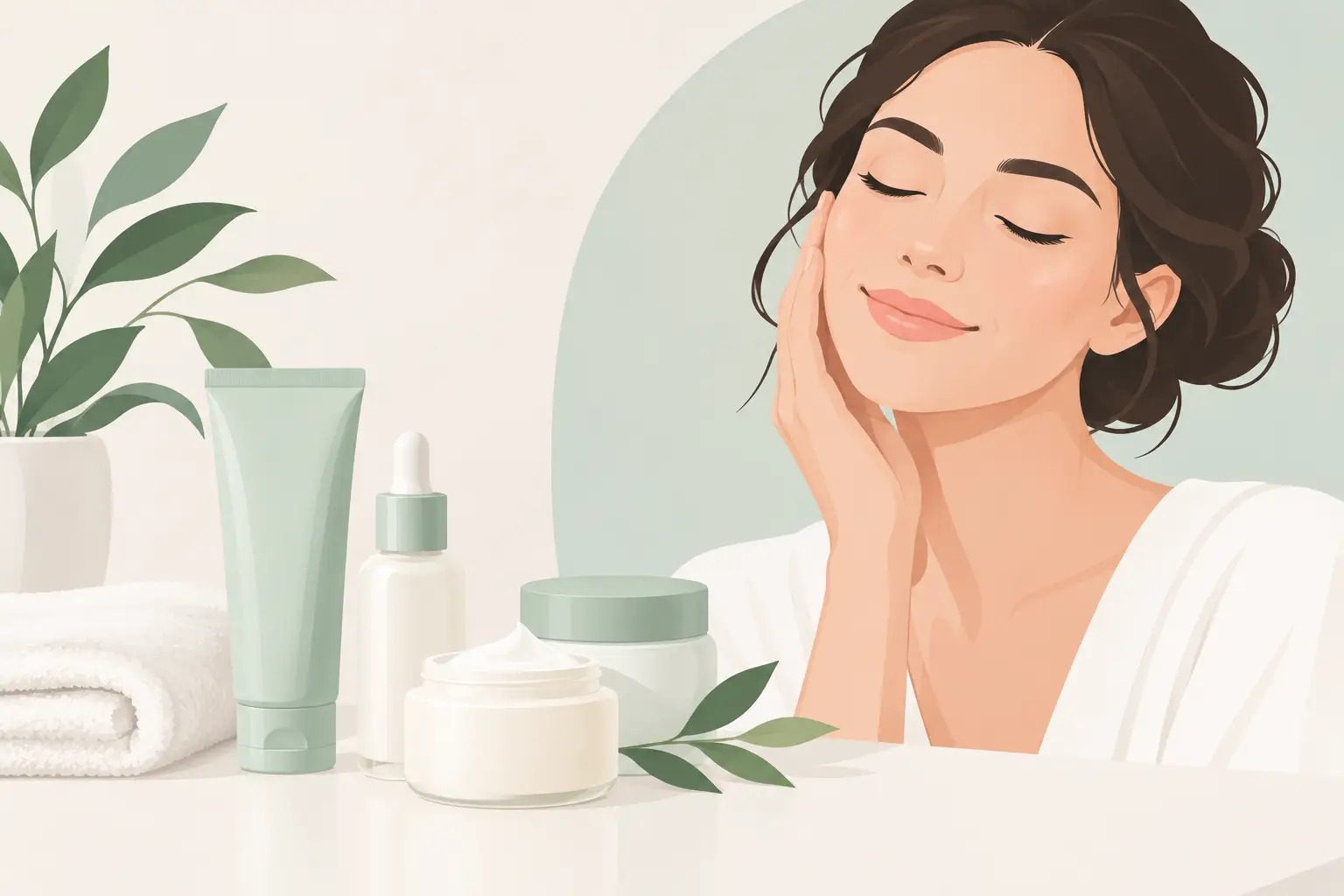
Sensitive skin has a way of making a beautiful routine feel complicated. A cream that looks exquisite on the vanity can leave cheeks feeling warm, tight, or unexpectedly reactive within minutes. This guide to sensitive skin moisturizers is for the woman who wants more than basic hydration – she wants skin that feels comfortable, looks luminous, and is cared for with the same intention she brings to every other detail of her life.
The right moisturizer does not need to be harsh to be effective. It should cushion the skin, support a healthy-looking barrier, and fit effortlessly into a polished daily ritual. For many women, that also means considering sun protection, texture, makeup compatibility, and the kind of finish that makes bare skin look quietly radiant.
What Sensitive Skin Really Needs From a Moisturizer
Sensitive skin is not one single skin type. It can be dry and sensitive, oily and sensitive, acne-prone and sensitive, or temporarily reactive after travel, exfoliation, seasonal weather, or a change in routine. The common thread is that the skin may react more easily to ingredients, friction, or environmental stress.
A moisturizer’s first role is to reduce the feeling of exposure. Think of it as the soft, protective layer between your complexion and everything it encounters during the day: dry indoor air, wind, makeup, cleansing, and sunlight. When skin is properly hydrated and supported, it often appears smoother, calmer, and more naturally refined.
Look for formulas that offer humectants, emollients, and barrier-supporting ingredients. Humectants, such as glycerin and hyaluronic acid, draw water into the skin. Emollients soften roughness and give the complexion a supple finish. Barrier-supporting ingredients, including ceramides, fatty acids, and certain gentle botanical oils, help the skin feel less vulnerable to moisture loss.
The most luxurious choice is not automatically the richest cream. If your skin is combination or prone to congestion, a heavy balm may feel elegant at first yet become uncomfortable under makeup. If you are very dry or reactive in cold weather, a light gel may not provide enough lasting comfort. The best texture is the one your skin can wear beautifully from morning to night.
A Guide to Sensitive Skin Moisturizers by Skin Feel
Instead of shopping only by label claims, begin with how your skin feels after cleansing. That moment reveals more than a trend-driven diagnosis ever could.
If your skin feels tight or flaky
Choose a cream with a comforting, cushiony texture. You may benefit from glycerin, ceramides, squalane, or a gentle blend of nourishing lipids. Apply it while skin is still slightly damp to help hold hydration close to the surface.
For dry sensitive skin, nighttime is the ideal moment for a more enveloping formula. A richer moisturizer can help your complexion wake up looking rested rather than dull or drawn. During the day, choose a version that sits smoothly beneath makeup and does not pill when layered with sunscreen.
If your skin feels oily but easily irritated
Do not skip moisturizer. When oily skin is stripped or dehydrated, it can look shinier while feeling uncomfortable underneath. A lightweight lotion or gel-cream may provide the balance you need: fresh hydration without a heavy film.
Seek a formula that leaves a soft, satin finish rather than a greasy sheen. Avoid assuming that “oil-free” always means gentle, however. The complete formula matters more than one marketing phrase, especially if drying alcohols or aggressive actives leave your skin stinging.
If your skin looks red or feels reactive
Keep the routine beautifully simple. A sensitive complexion often responds best when it is not asked to manage too many new products at once. Choose a moisturizer with a short, understandable ingredient profile and pause strong exfoliating acids, scrubs, or retinoid use if your skin is actively irritated.
Soothing ingredients can be lovely, but even natural extracts are not universally gentle. Fragrance, essential oils, and floral oils can feel indulgent yet may be difficult for some reactive complexions. If your skin has a history of stinging, rosacea-like flushing, eczema, or allergy concerns, fragrance-free formulas are often the more graceful choice.
How to Read a Moisturizer Label With Confidence
Luxury is in the experience, but confidence comes from knowing what you are applying. Start by looking beyond the front of the jar. “Natural,” “clean,” and “dermatologist-tested” can be useful signals, but they are not guarantees that every formula will suit every sensitive skin concern.
A formula may be natural and still contain fragrant plant extracts that your skin does not enjoy. On the other hand, a carefully formulated cream with well-established hydrating ingredients may be exactly what a reactive complexion needs. Your skin deserves discernment, not fear.
Pay attention to these details before making a choice:
- Fragrance-free is usually preferable when you experience frequent burning, itching, or redness.
- Denatured alcohol high on an ingredient list can be too drying for some sensitive skin, particularly when the barrier is compromised.
- Strong acids and retinoids can be excellent treatments, but they are not always ideal inside an everyday moisturizer for reactive skin.
- Packaging matters. Airless pumps and tubes can help keep delicate formulas more stable and limit repeated exposure to air and fingers.
Ingredient lists can feel technical, yet your own experience remains the final measure. A formula that gives someone else a glossy glow may not be the formula that gives you calm, elegant skin.
SPF and Sensitive Skin: A Daily Decision Worth Making
Sun exposure can deepen the appearance of redness, uneven tone, and early visible signs of aging. For this reason, a daytime moisturizer with broad-spectrum SPF can be a beautiful practical choice. It brings hydration and daily protection into one refined step, especially for women who prefer an edited routine.
There is a trade-off. Some SPF moisturizers can feel heavier, leave a cast, or cause eye-area stinging, while others may not provide enough moisture for very dry skin. Mineral filters such as zinc oxide and titanium dioxide are often favored by sensitive skin users, though their texture and finish vary widely. Chemical filters may feel lighter and more invisible under makeup for some people, but can be irritating for others.
The only meaningful answer is the one your complexion gives you after consistent wear. Choose a formula you enjoy applying generously. A small amount used reluctantly is less helpful than a comfortable sunscreen moisturizer you reach for every morning.
Dream Cream by Enisa Kadrii reflects the appeal of this approach, bringing hydration, soothing care, anti-aging support, and SPF 50 into a single elevated daily ritual. As with any new skincare product, introduce it thoughtfully and listen closely to your skin.
The Elegant Way to Introduce a New Moisturizer
Sensitive skin appreciates patience. Before applying a new cream across your face, patch test a small amount on the inner arm or along the jawline for several days. If you notice burning, persistent itching, rash-like bumps, swelling, or significant redness, stop using it.
When you begin using a new moisturizer, resist the temptation to debut a full collection at the same time. Keep your cleanser and other products consistent for a week or two. This makes it much easier to recognize what is helping your skin and what is causing a reaction.
Apply with light hands. Rubbing vigorously, using hot water, or repeatedly cleansing can make even a beautiful formula feel less effective. Press moisturizer gently over the face and neck, allowing it a moment to settle before makeup. The result is not merely better product performance – it is a more composed start to the day.
When a Moisturizer Is Not Enough
If your skin remains painful, persistently inflamed, cracked, or intensely itchy despite a gentle routine, it may be time for guidance from a board-certified dermatologist. Conditions such as eczema, contact dermatitis, rosacea, and acne can look similar at first, but they do not always need the same approach.
A dermatologist can also help identify whether a reaction is linked to a specific ingredient, a prescription treatment, or an underlying skin condition. Seeking expert care is not a failure of your routine. It is a sophisticated way to protect the skin you are in.
Beautiful skin is not skin that never has a sensitive day. It is skin cared for with patience, protection, and products that make comfort feel like part of your signature radiance.