
Beauty Blog
Retinol Versus Peptides: Which Is Right for You?

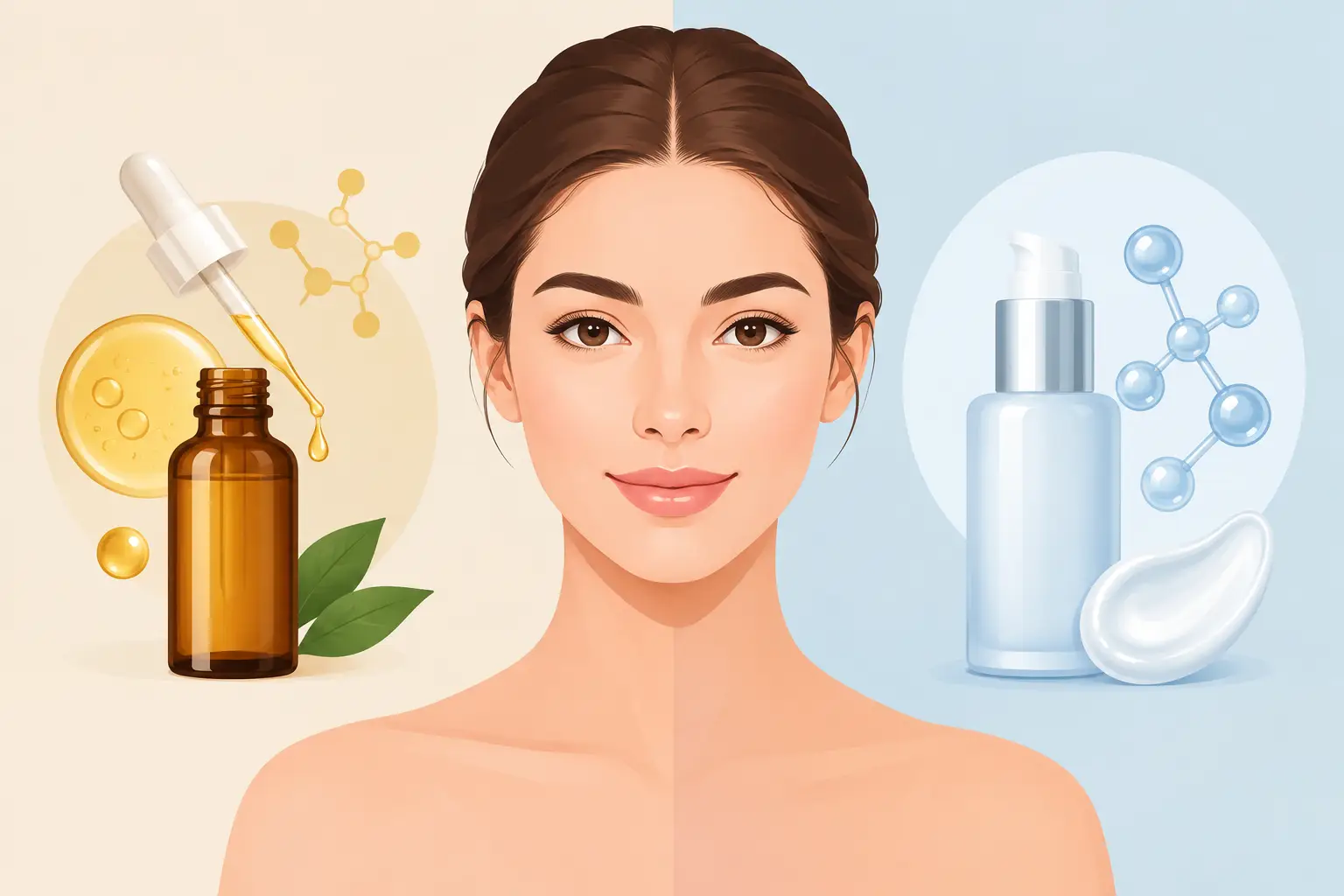
A luminous complexion is rarely the result of one dramatic decision. It comes from the small, elegant choices made consistently: cleansing gently, moisturizing generously, wearing SPF without negotiation, and choosing active ingredients that suit your skin. When it comes to retinol versus peptides, the question is not which ingredient is more glamorous. It is which one will help your skin look beautifully cared for without asking too much of it.
Both are celebrated in anti-aging skincare, yet they work in very different ways. Retinol is known for refinement and renewal. Peptides are beloved for their comforting, supportive approach to firmer-looking skin. Understanding the difference allows you to create a routine that feels as luxurious as it looks.
Retinol Versus Peptides: The Essential Difference
Retinol is a vitamin A derivative. Once applied, it encourages skin cell turnover and supports collagen production over time. It is often chosen by women who want to soften the look of fine lines, improve uneven texture, brighten a dull-looking complexion, and help minimize the appearance of blemishes and visible pores.
Peptides are short chains of amino acids, the building blocks associated with proteins such as collagen and elastin. In skincare, they are included to support the skin’s appearance of firmness, smoothness, and resilience. They do not exfoliate or speed up cell turnover in the same way retinol does. Instead, they offer a more cushioning, skin-comforting route to a polished complexion.
Think of retinol as a sophisticated skin-renewal treatment and peptides as a daily wardrobe essential: refined, reliable, and easy to pair with almost everything. Neither is automatically better. Your skin goals, sensitivity level, and willingness to follow a consistent routine should lead the decision.
Why Retinol Has Earned Its Icon Status
Retinol has remained a beauty favorite for good reason. With regular use, it can improve the appearance of multiple visible concerns at once. This makes it especially appealing when your priorities include fine lines, uneven tone, rough texture, or skin that no longer reflects light the way it once did.
The trade-off is that retinol can be demanding in the beginning. Dryness, flaking, redness, or temporary irritation are possible, particularly if you begin with a high strength or use it too frequently. Luxury is not about pushing your skin to its limits. It is about knowing when to introduce power with patience.
Start with a low-strength retinol product two evenings a week, then increase gradually only if your skin remains comfortable. Apply it to clean, dry skin, followed by a nourishing moisturizer. If your skin is reactive, try the sandwich method: moisturizer, retinol, then another light layer of moisturizer. This can soften the experience while still allowing retinol to become part of your routine.
Retinol is best reserved for nighttime. It can make skin more sensitive to the sun, which makes daily broad-spectrum SPF essential. A beautiful anti-aging routine without sun protection is missing its most protective step. A high-SPF moisturizer, such as a formula designed to hydrate while defending against UV exposure, brings elegance and practicality together each morning.
Why Peptides Feel So Effortlessly Elegant
Peptides offer a graceful option for women who want skin that appears smoother, bouncier, and more rested without the adjustment period often associated with retinol. They are generally well tolerated and can be used morning and evening, making them an easy fit for a routine centered on hydration, comfort, and radiance.
While peptides do not usually create the same rapid improvement in texture that some people experience with retinol, their appeal is in consistency. They support a healthy-looking skin barrier and can complement the look of firmer, more supple skin over time. For dry, sensitive, or mature skin, that supportive quality can be especially valuable.
Peptide serums and creams pair beautifully with hydrating ingredients such as hyaluronic acid, ceramides, glycerin, and soothing botanical extracts. This combination gives skin a plush, well-moisturized finish, the kind that makes makeup sit more smoothly and bare skin look quietly expensive.
If your complexion becomes easily irritated, if you are new to active skincare, or if your main goal is to preserve a soft, hydrated glow, peptides may be the more natural starting point. They are not a lesser choice. They are simply a different kind of investment in your skin.
Retinol Versus Peptides for Your Skin Goals
If texture, visible fine lines, uneven pigment, or recurring breakouts are at the top of your list, retinol may deliver more noticeable change. It is the ingredient for the woman who wants to actively refine the look of her complexion and is prepared to introduce it carefully.
If sensitivity, dryness, or loss of bounce concerns you most, peptides may be a more flattering choice. They offer supportive anti-aging care without turning your routine into a balancing act. Peptides also make sense when you want a simple, polished regimen that feels comforting every day.
For many women, the best answer is not retinol or peptides. It is retinol and peptides, used thoughtfully. Retinol can take its place in an evening routine a few nights each week, while peptides can provide comfort and hydration in the morning and on rest nights. This approach gives your skin renewal alongside support.
The key is to avoid introducing several intensive products at once. If you begin retinol, do not add strong exfoliating acids on the same nights until you know how your skin responds. More products do not always create more radiance. A carefully edited routine often looks better on the skin and feels more luxurious to maintain.
A Beautiful Way to Use Both
In the morning, cleanse gently, apply a peptide-focused serum or moisturizer, and finish with broad-spectrum SPF 30 or higher. This routine protects the skin from the daily environmental exposure that can contribute to visible signs of aging.
In the evening, cleanse away makeup and the day, then apply retinol on the nights you have chosen for it. Follow with a replenishing moisturizer. On non-retinol nights, use peptides and hydration-focused products to keep skin comfortable and supported.
If you are prone to dryness, use retinol less often rather than abandoning it immediately. If peeling, stinging, or persistent redness develops, pause and simplify your routine until your skin feels calm again. Skin that is inflamed rarely looks radiant, no matter how impressive the ingredient list may be.
Can Retinol and Peptides Be Used Together?
Yes, most people can use retinol and peptides in the same overall routine. Peptides are not known for the same irritation potential as exfoliating acids, so they can be a lovely companion to retinol. You may layer a peptide product before or after retinol, depending on the product texture and your skin’s comfort.
That said, sensitive skin may prefer separation. Use peptides in the morning and retinol at night, or save peptides for your non-retinol evenings. The most beautiful routine is the one you can sustain without stress, redness, or guesswork.
There are two essential exceptions to consider. If you are pregnant, trying to conceive, or breastfeeding, speak with your healthcare professional before using retinol or other vitamin A derivatives. And if you have a diagnosed skin condition or are using prescription acne treatments, ask a dermatologist how to introduce new actives safely.
Results Worth Waiting For
Peptides tend to create a more immediate feeling of hydration and softness, although their visible firming benefits are gradual. Retinol requires more patience, too. Many people need several weeks before noticing a change in texture and a few months of consistent use before fine lines and uneven tone look improved.
Do not judge either ingredient after three nights. Skincare is less like a last-minute accessory and more like tailoring: the most flattering results come from thoughtful adjustments, quality materials, and time. Take a simple photo in natural light before you begin, then compare monthly rather than examining your face every morning.
Your skin does not need to choose between comfort and ambition. Choose peptides when you want a gentle, hydrated path to graceful aging. Choose retinol when you want targeted renewal and can commit to careful use. Or let each ingredient play its most beautiful role, and give your complexion the consistency, protection, and attention it deserves.