
Beauty Blog
What Makes a Diamond Sparkle So Brilliantly?

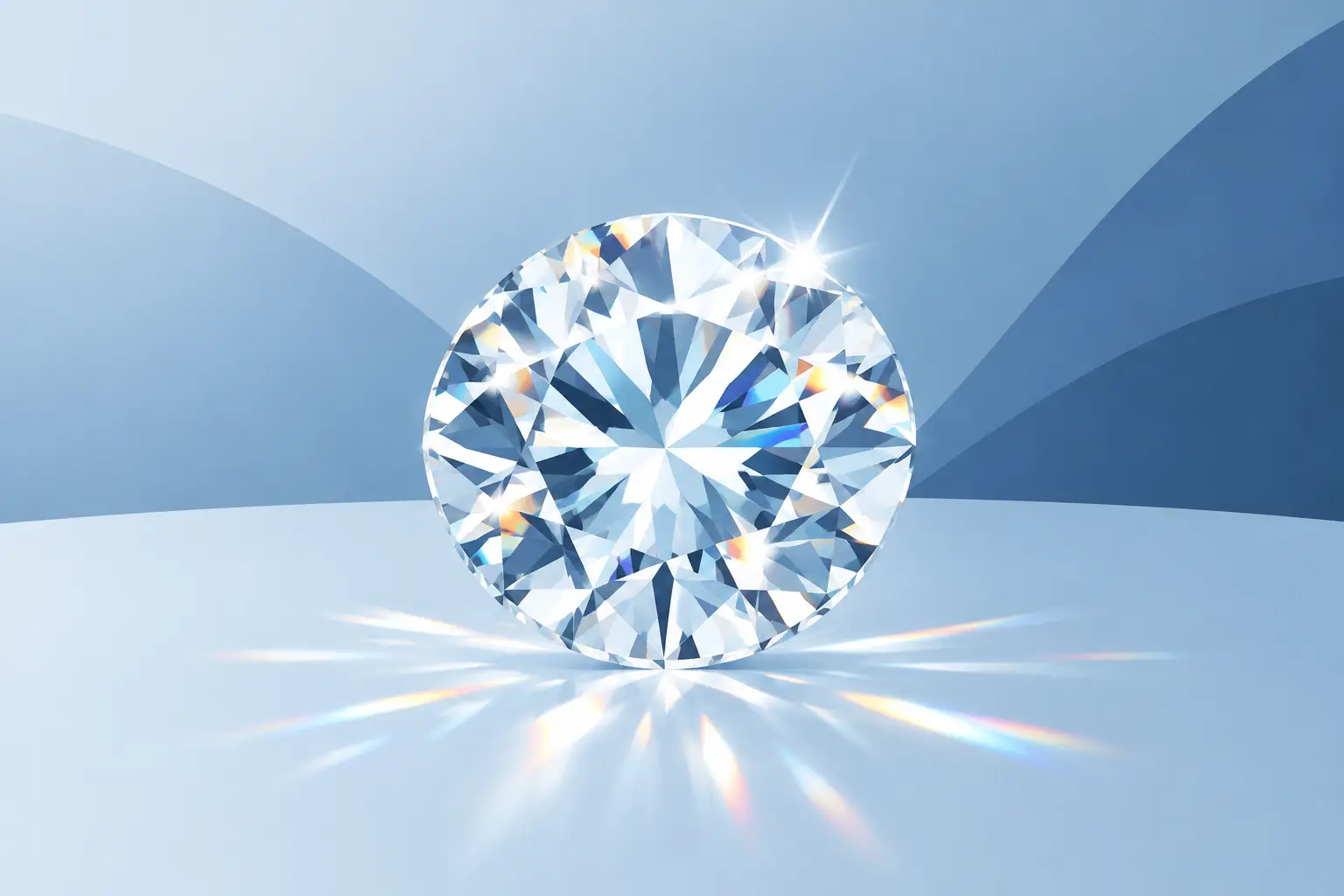
A diamond can be perfectly clear and still look quiet. Another can catch the light across a room and make someone stop mid-sentence. What makes a diamond sparkle is not simply its size or its price. It is the way expert craftsmanship turns light into a visible expression of romance, confidence, and unmistakable luxury.
That flash you notice when a diamond moves is the result of precision. The stone must receive light, direct it through its interior, and return it to your eye in a breathtaking display. When those elements come together, a diamond does more than shine. It feels alive.
What Makes a Diamond Sparkle? It Starts With Cut
Cut is the single most influential factor in a diamond’s sparkle. This does not mean the stone’s shape alone, whether it is round, oval, pear, or emerald cut. Cut describes the quality of the diamond’s proportions, angles, symmetry, and polish.
A beautifully cut diamond is designed to manage light with intention. Light enters through the top of the stone, travels through its facets, reflects internally, and returns upward. When the angles are balanced, more light comes back to the eye. The result is exceptional brilliance.
If a diamond is cut too shallow, much of the light can escape through the bottom. If it is cut too deep, light may leak from the sides. Either way, the stone can appear darker or less lively, even when its color and clarity are high.
For a classic engagement ring, a round brilliant diamond is celebrated for its remarkable light performance. Its facet pattern was developed to maximize brilliance, making it a natural choice for someone who wants that bright, unforgettable first impression. Fancy shapes can be equally captivating, but each shape has its own personality. An oval offers a soft, elongated glow. A pear shape feels romantic and distinctive. An emerald cut delivers elegant flashes of light rather than a glittering, crushed-ice effect.
The best choice depends on the look you love. A woman drawn to bold glamour may want lively, scintillating sparkle. Someone with a more refined, architectural style may prefer the clean, dramatic flashes of an emerald or Asscher cut.
Brilliance, Fire, and Scintillation
Sparkle is often used as one word for several different effects. Understanding the distinction makes diamond shopping feel much more personal.
Brilliance is the white light reflected back from a diamond. It gives the stone its bright, luminous appearance.
Fire is the rainbow color you see when the diamond separates white light into flashes of red, blue, yellow, and other hues. This is especially noticeable in direct sunlight or focused indoor lighting.
Scintillation is the dance of light and dark flashes that appears as the diamond, your hand, or the light source moves. It is the reason a diamond ring can look different from one moment to the next.
A truly beautiful diamond balances all three. It has a bright center, vivid flashes of color, and movement that catches the eye from every angle.
Light Is the Diamond’s Stage
Diamonds do not create light. They perform with the light around them. That is why the same ring can look soft and glowing at brunch, fiery in sunshine, and intensely brilliant under evening spotlights.
Daylight often reveals a diamond’s natural brightness and fire. Diffused light, such as light near a window on an overcast day, can show a stone’s overall sparkle without harsh reflections. Small point lights, including the kind used in luxury boutiques and restaurants, create more dramatic scintillation.
This is also why it is wise to view a diamond in more than one lighting environment before making a decision. A stone that looks spectacular under jewelry-store lights should still look lovely in natural daylight. You are choosing a piece to wear through real moments: a proposal, a celebration, a vacation, a meeting, and the quiet beauty of an ordinary morning.
Clarity and Color Support the Glow
Clarity and color matter, but they do not replace exceptional cut. A high-clarity diamond with a weak cut may appear less brilliant than a slightly included diamond with superb light performance.
Clarity refers to internal characteristics, called inclusions, and surface marks, called blemishes. Many inclusions are too small to notice without magnification. An eye-clean diamond can offer a stunning appearance without requiring the highest clarity grade. This can leave more room in the budget for the cut quality or carat weight that makes your heart race.
Color also influences how light feels within the stone. Near-colorless diamonds tend to look crisp and icy, particularly in white gold or platinum settings. A slightly warmer diamond can look beautifully rich in yellow gold or rose gold. There is no single correct choice – the setting, shape, and personal aesthetic all play a role.
For diamonds with larger open facets, such as emerald and Asscher cuts, clarity can be more visible. For brilliant cuts with abundant sparkle, tiny inclusions may be easier to disguise. This is one of the most useful trade-offs to understand when selecting a diamond for a ring that looks luxurious, not merely impressive on paper.
The Setting Can Make a Diamond Look Brighter
A diamond’s setting is more than a frame. It affects how much light reaches the stone and how large or radiant it appears.
A classic solitaire allows light to enter from many directions and keeps all attention on the center diamond. It is timeless for a reason. A halo setting surrounds the center stone with smaller diamonds, creating an amplified glow and making the center appear larger from a distance. Pavé bands add a ribbon of sparkle across the finger, while a three-stone design brings added presence and symbolism.
Metal color changes the overall effect, too. Platinum and white gold create a cool, luminous backdrop that emphasizes a colorless diamond’s bright character. Yellow gold brings warmth and vintage-inspired richness. Rose gold offers a softer, romantic finish that feels feminine and unexpected.
Prong style deserves attention as well. Delicate prongs can reveal more of the diamond, while a bezel setting wraps the edge in metal for a sleek, modern silhouette. A bezel may show slightly less of the stone’s side profile, but it offers beautiful protection and a polished statement. The right setting is the one that complements your lifestyle as gracefully as it complements your diamond.
Cleanliness Is the Secret to Everyday Sparkle
Even the finest diamond loses its glow when lotion, sunscreen, makeup, natural skin oils, and soap collect on its surface. Because a diamond ring is worn close to the hands, this happens faster than many people expect.
A gentle cleaning routine can restore that fresh, light-catching brilliance. Soak the ring in warm water with a small amount of mild dish soap, then use a very soft toothbrush to clean around the setting and underneath the diamond. Rinse carefully and dry with a lint-free cloth.
Avoid harsh household cleaners, especially bleach and chlorine, which can damage or weaken certain metal settings over time. It is also smart to remove diamond jewelry before heavy exercise, gardening, swimming, or applying thick beauty products. Luxury should feel effortless, but a little care protects the radiance you chose.
Professional inspections are equally valuable. Prongs can loosen through daily wear, and a jeweler can check the setting, clean the piece thoroughly, and help ensure your diamond remains secure.
A Sparkling Diamond Is a Feeling, Not Just a Grade
The most captivating diamond is not always the largest or the most flawless on a certificate. It is the one that comes alive when you look at it. It suits your hand, your style, and the story you want to wear every day.
Choose cut with care, see the stone in different light, and let the setting reflect your personal definition of elegance. A diamond’s sparkle should feel like a small, brilliant reminder that you deserve to be seen.