
Beauty Blog
Which Cream Texture Suits Dry Skin Best?

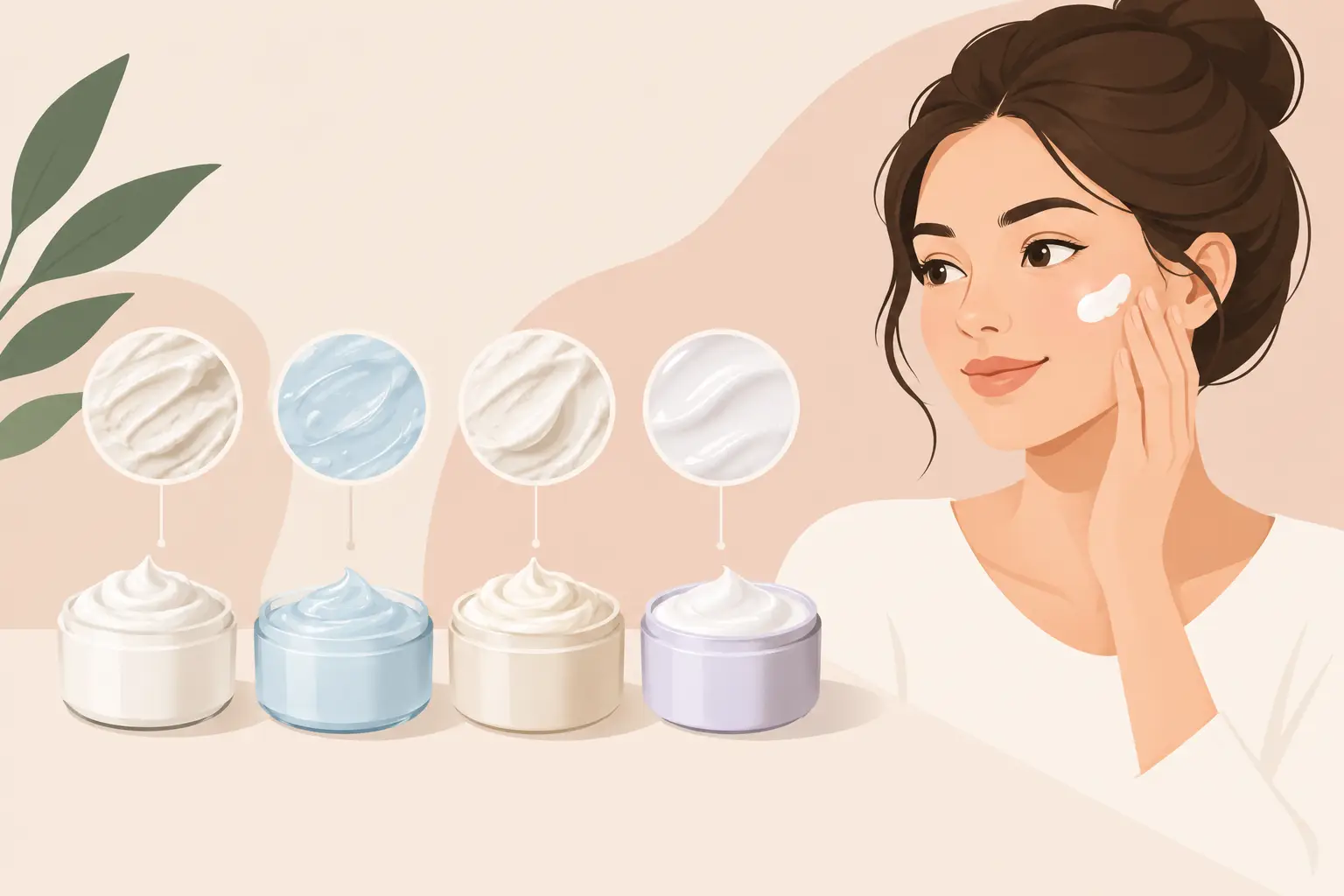
Dry skin does not need a cream that merely disappears. It deserves a formula that feels like a beautiful finishing touch: comforting enough to soften that tight, papery feeling, yet refined enough to leave skin luminous rather than heavy. If you have been asking which cream texture suits dry skin, the answer is usually richer than a light gel, but more elegant than a dense balm that sits on the surface.
The ideal texture gives your complexion a cushioned, cared-for look. It should help makeup glide on more smoothly, make fine dryness lines appear less pronounced, and leave your skin with the kind of quiet radiance that looks luxurious in any light.
Why dry skin needs more than lightweight hydration
Dry skin often lacks both water and the lipids that help keep moisture from escaping. That is why a watery gel may feel refreshing at first but leave your face craving more an hour later. A texture with more body can provide the comfort dry skin recognizes immediately, while helping your skin look softer and more supple over time.
This does not mean the thickest cream is automatically the most flattering choice. A formula can be rich and still feel sophisticated. The difference lies in how it melts into the skin, whether it leaves an overly waxy film, and how your complexion feels after the first glow has settled.
Think of cream texture as part of your beauty wardrobe. A fluid moisturizer may be perfect for a humid afternoon or oily areas of the face. A nourishing cream can be the piece you reach for when your skin needs polish, protection, and a more visibly rested appearance.
Which cream texture suits dry skin in every season?
For most dry complexions, a rich cream or creamy balm texture is the most beautiful place to start. These formulas tend to contain emollient ingredients that soften roughness and occlusive ingredients that help hold moisture close to the skin. The finish should feel silky, enveloping, and smooth rather than sticky.
A medium-rich cream is often the best everyday choice. It has enough substance to comfort dry areas around the cheeks and mouth, while still sitting well beneath foundation or concealer. Look for a texture that spreads easily with a small amount. When you need a large scoop to feel moisturized, the formula may be too light for your skin or simply not offering the nourishment you want.
A balm-like cream can be especially lovely at night, during colder months, or when your skin is feeling stressed after travel, dry indoor air, or long days in the sun. These textures create a more protective finish and may leave a noticeable glow. If your skin is very dry, that glow can look exquisitely healthy. If you prefer a velvet makeup finish, reserve the balm for your evening ritual or apply it more sparingly in the morning.
The velvet-cream sweet spot
The most versatile choice is often a velvet cream: substantial enough to cushion the skin, yet designed to absorb without leaving an obvious layer behind. This texture is ideal for women who want hydration but still expect their complexion to look polished, not overly dewy.
A velvet cream is also a graceful option under makeup. Allow it a few moments to settle, then apply complexion products with a light hand. Skin that is properly moisturized needs less foundation to look refined, because it is less likely to show dry patches or catch product around fine lines.
When a gel-cream can work
Gel-creams are not off limits for dry skin, especially in very warm, humid weather or for someone with dry cheeks and a more balanced forehead and nose. The key is to choose a gel-cream with a creamy finish, not one that feels like pure water. It should leave your skin comfortable after application, not simply cool for a moment.
If you love the featherlight sensation of a gel but experience tightness by midday, layer it beneath a richer cream or use it as a hydrating first step. Your skin is giving you useful feedback. A fresh feeling is lovely, but lasting comfort is the true luxury.
Choose texture by the way your skin feels
Your mirror can help, but the most reliable guide is sensation. If your skin feels tight after cleansing, looks dull despite drinking water, or develops dry patches beneath makeup, it is likely asking for a cream with more nourishment. If it feels comfortable but lacks radiance, a medium-rich cream may be enough to restore a softer finish.
Pay attention to where dryness appears. Some women need a richer cream all over the face. Others prefer a lighter layer through the T-zone and a second whisper of cream pressed onto the cheeks, around the lips, and along the temples. There is no need to follow one rigid rule when your skin has its own elegant rhythm.
Skin can also change throughout the year. Winter winds, air conditioning, flights, hormonal shifts, and active treatments can all make a familiar moisturizer feel suddenly insufficient. Adjusting your texture is not indulgent. It is intelligent care.
Ingredients that make a rich cream feel refined
Texture matters, but the ingredients behind that texture matter just as much. Humectants such as glycerin and hyaluronic acid draw water toward the skin. Emollients, including plant oils and squalane, create softness and flexibility. Ceramides and similar skin-identical lipids can support the moisture barrier, helping dry skin feel less vulnerable to the environment.
For daytime, consider whether your cream also offers sun protection. Daily broad-spectrum SPF is a beautiful act of preservation, especially when your goal is to maintain an even-looking, radiant complexion. A moisturizing SPF cream should feel comfortable enough that you will apply the proper amount and wear it consistently.
Dream Cream brings this idea together with nourishing care and SPF 50, offering a more elevated approach for days when hydration and sun protection both deserve a place in your ritual. As with any sunscreen moisturizer, apply generously and reapply as needed when spending time outdoors.
How to apply rich cream without looking greasy
The difference between a luminous finish and an overloaded one often comes down to application. Begin with skin that is slightly damp after cleansing or after a hydrating serum. This gives your cream a better canvas and can help it spread more evenly.
Warm a pearl-sized amount between your fingertips, then press it across the cheeks, forehead, and chin. Smooth outward with gentle upward motions, giving special attention to the areas that usually feel tight. If your cheeks still need more, add a second small layer there instead of applying too much everywhere.
In the morning, let the cream settle before makeup. In the evening, take a little more time with the ritual. A richer texture can become a moment of softness at the end of a demanding day, especially when it is applied with calm, deliberate hands.
The texture test that tells you the truth
A cream is right for dry skin when it continues to feel comfortable hours after application. Your face should feel soft when you smile, your makeup should remain smoother through the day, and you should not feel compelled to apply another layer before noon.
If your skin feels coated but still tight underneath, the product may be too occlusive without enough hydration. If it feels hydrated for a short time but quickly turns rough, you may need a cream with more emollient richness. And if your skin looks shiny in places but dry in others, try using different amounts on different zones before abandoning the texture entirely.
The best cream texture for dry skin is not the one that feels heaviest. It is the one that leaves your complexion feeling comforted, looking naturally radiant, and ready to meet the day with confidence.