
Beauty Blog
Is Organic Skincare Better for Your Skin?

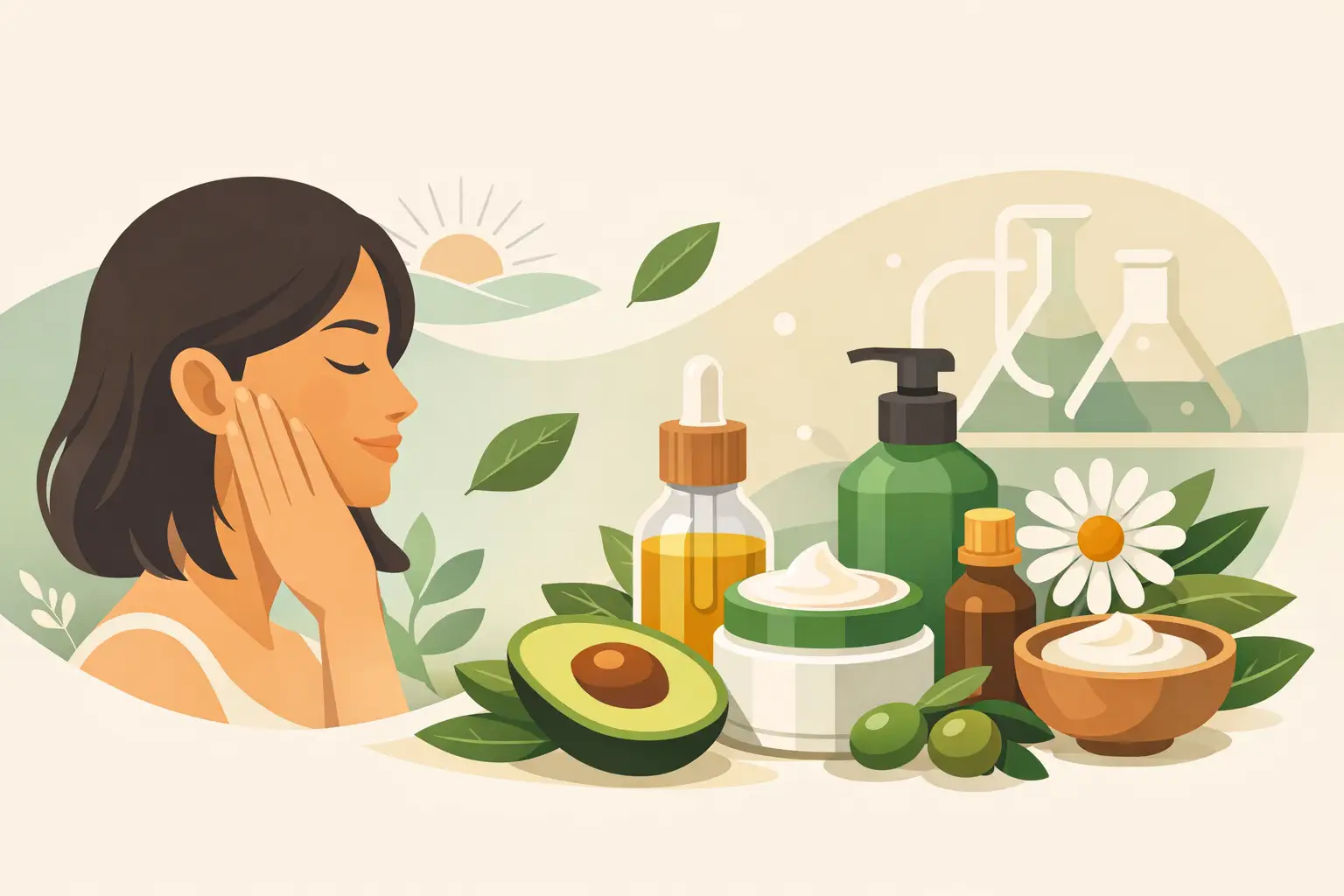
A beautiful complexion is not built on a label alone. It is built on thoughtful formulas, daily protection, and the small rituals that make you feel polished before you step into the light. So, is organic skincare better? For many women, it can be a more considered choice, but only when the formula delivers what skin truly needs.
Organic skincare has earned its place in the luxury beauty conversation because it speaks to something deeper than a passing trend: the desire for ingredients that feel refined, intentional, and close to nature. Yet organic is not automatically a promise of better results. The most elegant routine balances natural sensorial beauty with proven performance.
Is Organic Skincare Better Than Conventional Skincare?
Organic skincare is generally made with ingredients grown without certain synthetic pesticides, fertilizers, or genetically modified organisms, depending on the certification standard. In a face cream, that might mean organic botanical oils, floral waters, plant extracts, and butters chosen for their naturally nourishing qualities.
For skin that feels dry, dull, or easily stressed, these ingredients can be especially appealing. A well-made organic formula may bring softness through plant oils, comfort through botanical extracts, and a luxurious texture that turns everyday care into a moment of self-respect. There is an undeniable pleasure in applying a cream that feels beautiful on the skin and aligns with a more ingredient-conscious lifestyle.
But “organic” does not mean every ingredient is gentler, stronger, or safer for every person. Poison ivy is natural. Fragrance derived from essential oils can still irritate sensitive skin. And a conventional ingredient can be thoroughly studied, exceptionally effective, and perfectly suitable in a sophisticated formula.
The better question is not whether organic always wins. It is whether the product is well formulated for your skin, your climate, and the results you want to see in the mirror.
What Organic Formulas Can Do Beautifully
Organic skincare often shines when it supports the essentials: moisture, comfort, softness, and a healthy-looking glow. Botanical oils such as jojoba, sunflower, rosehip, and argan can help reinforce the skin’s moisture barrier, which is the outer layer that helps keep hydration in and environmental stressors out.
When that barrier is supported, skin can look smoother and more radiant. Fine dehydration lines may appear less noticeable, makeup can sit more beautifully, and the complexion often takes on the rested, supple look associated with excellent skincare.
Plant-based antioxidants can also be a lovely addition. They help support skin exposed to daily environmental stress, especially when paired with the habit that matters most for graceful aging: consistent sun protection. This is where luxury should never become vague. A luminous cream is wonderful, but protecting your skin from UV exposure is what helps preserve that luminosity over time.
A product such as Dream Cream reflects the appeal of a multifunctional approach: hydration, soothing care, anti-aging support, and SPF 50 in one polished step. For women who want their morning routine to feel elevated without becoming complicated, that combination can make consistency far easier.
Where the Organic Label Has Limits
The word organic can describe the agricultural origin of ingredients, but it does not tell you everything about a finished product. It does not confirm the concentration of an active ingredient, the stability of the formula, its texture, its preservation system, or whether it has been tested to deliver the claims on the jar.
This matters particularly with sunscreen. If you choose a moisturizer with SPF, look for broad-spectrum protection and an SPF level appropriate for daily wear. Broad-spectrum means protection against both UVA rays, which contribute to visible signs of aging, and UVB rays, which cause sunburn. The formula should also be one you enjoy enough to apply generously and reapply when you are outdoors.
Organic products can also have shorter shelf stability if they rely on delicate plant ingredients or less conventional preservation systems. That does not make them inferior, but it does mean you should store them thoughtfully, follow the period-after-opening guidance, and pay attention to changes in scent, color, or texture.
For acne-prone skin, rich natural oils can be wonderful for some and too heavy for others. For highly reactive skin, essential oils and fragrant botanicals may create unnecessary irritation. A luxurious experience should leave your skin feeling calm, not compromised.
How to Choose Organic Skincare That Performs
Start with your skin’s present needs rather than the promise on the front of the package. If your complexion feels tight, prioritize humectants and nourishing emollients that help draw in and seal moisture. If your priority is visible brightness, seek antioxidant support and daily sunscreen. If sensitivity is your concern, choose simpler formulas and introduce new products one at a time.
Then read beyond the word organic. Look for clear information about the product’s purpose and the ingredients that support it. A moisturizer should offer true hydration. A treatment should explain the active ingredients behind its intended results. A daytime cream with SPF should state its level of protection clearly.
Texture is not a frivolous detail. It is part of performance because a product you love to wear is a product you are more likely to use consistently. A cream that leaves a velvet finish beneath makeup, feels comforting at night, or gives your skin a soft, fresh glow can transform skincare from another obligation into a daily expression of feminine confidence.
Patch testing is equally chic, even if it is not glamorous. Apply a small amount of a new formula to a discreet area and observe your skin over the next day or two. This is particularly wise if you have rosacea, eczema, allergies, or a history of reactions to fragrance.
Natural, Organic, and Clean Are Not the Same
Beauty language can be seductive, and it should be. But it should also be clear. “Natural” may mean an ingredient comes from a plant or mineral source, yet it is not a universal guarantee of organic farming practices. “Organic” may refer to specific ingredients or a certified percentage of a formula. “Clean” is often a brand-defined term with no single legal standard.
None of these words replaces ingredient literacy or the advice of a dermatologist when you have a persistent skin condition. They are useful signals, not a complete answer.
For a woman building a beautiful routine, the most meaningful standard is this: does the product respect your skin and serve your goals? That can include organic ingredients, but it should also include stability, sensorial elegance, reliable sun protection, and visible comfort in your complexion.
The Most Luxurious Routine Is the One You Repeat
A cabinet full of exquisite products cannot compete with a simple routine you follow every day. In the morning, cleanse gently if needed, apply a treatment suited to your concerns, moisturize, and wear broad-spectrum SPF. In the evening, remove the day with care, cleanse, and choose hydration or targeted treatment according to your skin’s tolerance.
If you love organic skincare, let it be part of that ritual rather than the entire definition of it. Choose beautiful botanical formulas where they make sense. Choose tested sunscreen because protection is nonnegotiable. Choose gentler, simpler options when your skin asks for quiet. And give each product time to show you what it can do.
Your skin does not need a perfect label to look radiant. It needs thoughtful attention, daily defense, and formulas that make you want to meet your reflection with confidence.