
Beauty Blog
Are Lab Diamonds Ethical? What Matters Most

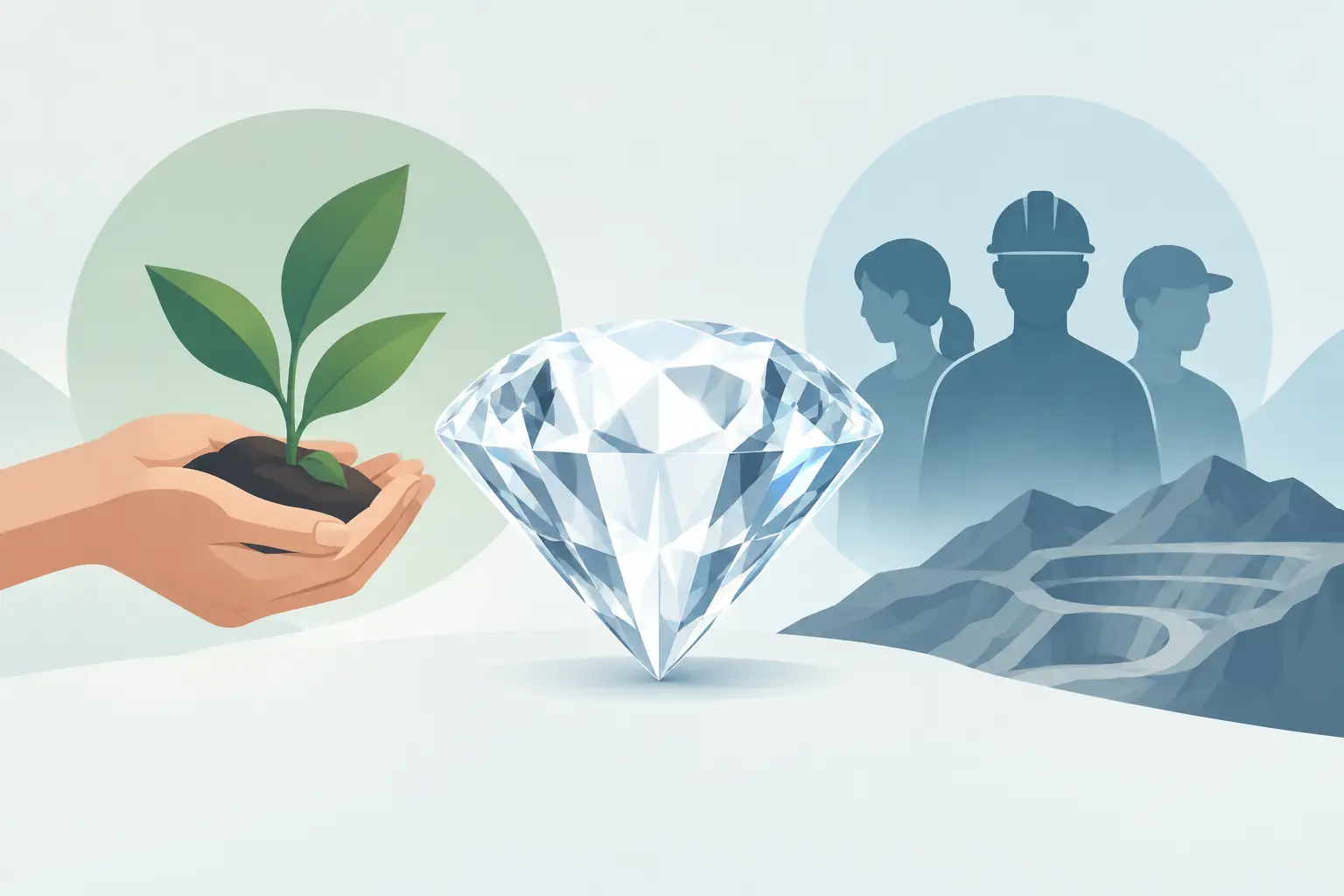
A diamond should feel as beautiful in your conscience as it looks in the light. So, are lab diamonds ethical? They can be a thoughtful choice, especially for couples who want the romance and brilliance of a diamond without the concerns they associate with traditional mining. But the honest answer is more refined than a simple yes or no.
Lab-grown diamonds offer meaningful advantages in traceability and can reduce certain social risks connected with mining. Still, their ethical story depends on how they are made, where their energy comes from, how workers are treated, and whether a seller is open about every part of the journey. For a piece meant to symbolize love, knowing the details is part of choosing with confidence.
Are Lab Diamonds Ethical by Nature?
Lab diamonds are real diamonds. They have the same carbon structure, durability, fire, and brilliance as mined diamonds. The difference is origin: rather than forming beneath the earth over billions of years, they are grown in controlled conditions over weeks or months using advanced technology.
That controlled origin is a major reason many shoppers see them as an ethical alternative. A lab-grown diamond does not require an open-pit mine, the movement of large amounts of earth, or the same direct connection to mining communities where labor practices may be difficult to verify. It can also offer a clearer chain of custody from production to the finished jewel.
But ethical is not a label that automatically comes with a laboratory. A lab diamond is not impact-free simply because it was grown above ground. The best choice is one backed by clear information, responsible production standards, and a jeweler willing to answer thoughtful questions.
The Environmental Question Is About Energy
Growing a diamond requires significant energy. Producers generally use one of two methods: High Pressure High Temperature, known as HPHT, or Chemical Vapor Deposition, known as CVD. Both recreate conditions that allow carbon to crystallize into diamond, and both rely on electricity-intensive equipment.
The environmental impact can vary dramatically depending on the source of that electricity. A diamond grown using renewable energy, such as wind, solar, hydroelectric, or a documented mix of lower-carbon power, may have a very different footprint from one produced in a region powered mainly by fossil fuels.
Mined diamonds also have environmental costs. Mining can disturb land, require water, create waste, and affect local ecosystems. Yet broad statements that every lab diamond is greener than every mined diamond can be misleading. Mine operations differ, laboratories differ, and measurement methods differ too.
The more elegant approach is to look past sweeping promises. Ask whether the seller can explain the producer’s energy use, emissions reporting, and environmental practices. Specific details are more meaningful than vague claims such as eco-friendly or sustainable.
Look for proof, not polished language
Luxury should never ask you to accept a beautiful story without substance. If environmental impact matters to you, seek transparency around renewable energy commitments, third-party assessments, and the location of production. A brand does not need to claim perfection to demonstrate responsible progress. In fact, a candid answer is often the most reassuring one.
Labor and Human Rights Matter, Too
Ethical jewelry is also about people. One of the strongest arguments for lab-grown diamonds is that they can avoid some of the human rights concerns historically associated with poorly regulated diamond mining, including dangerous working conditions, exploitation, and conflict financing.
Because lab diamonds are made in a factory-like setting, the supply chain can be more direct and easier to monitor. That does not mean every facility automatically provides fair wages, safe conditions, reasonable hours, and worker protections. Those standards still depend on the individual producer and the labor laws and enforcement in its location.
A responsible jeweler should be able to speak plainly about where its diamonds are grown and cut. The cutting and polishing stage matters as much as the growth stage, since a diamond may travel through several countries before it reaches its final setting.
It is also worth holding space for nuance around mined diamonds. Responsible mining can provide jobs, infrastructure, training, and economic opportunity for local communities. Choosing a lab diamond does not mean dismissing those livelihoods. It simply means deciding which supply chain and set of values feel most aligned with your own.
Traceability Creates Confidence
A diamond’s journey should not be a mystery. Lab-grown stones have an advantage here because their production starts in a known facility, often with documentation that follows the stone from growth through grading and sale.
Independent grading reports can verify whether a diamond is laboratory-grown and record the qualities that shape its beauty and value: cut, color, clarity, carat weight, and sometimes growth method or post-growth treatment. This report is not an ethical certification on its own, but it is an important piece of the transparency puzzle.
For an engagement ring or meaningful gift, ask to see the grading report and confirm that the report number matches any inscription on the diamond. Then ask the jeweler where the diamond was grown, where it was cut, and what information is available about the manufacturer. A luxury purchase should feel personal, never pressured or unclear.
How to Choose an Ethical Lab Diamond
The most responsible choice begins with questions that are direct and simple. Ask where the diamond was grown, what energy source powers the facility, and whether the producer has published environmental or labor commitments. Ask where the stone was cut and polished, whether it has an independent grading report, and whether the retailer can explain its sourcing practices without relying on generic language.
Pay attention to the setting as well. A diamond is only one part of a ring. Recycled precious metals can reduce demand for newly mined material, while durable craftsmanship helps ensure the piece is cherished for decades instead of becoming a short-lived purchase. Choosing a timeless design and caring for it properly are quiet but meaningful forms of responsible luxury.
Price can also be part of the appeal. Lab diamonds often allow you to select a larger stone or higher quality within the same budget. That value can leave room for a more considered setting, a future celebration, or simply the pleasure of choosing a piece that feels exceptional without stretching beyond your comfort.
Be careful with absolute claims
Terms such as conflict-free, green, and ethical can sound reassuring, but they deserve context. A retailer should be able to explain exactly what those words mean for its diamonds. Does conflict-free refer to the absence of mining-related conflict, the location of the laboratory, documented labor practices, or something else entirely?
Ethics is not a single certificate or a marketing phrase. It is a series of choices: the producer’s energy source, its standards for workers, the transparency of the supply chain, the materials used in the setting, and the honesty of the seller.
The Most Beautiful Choice Is an Informed One
Lab-grown diamonds can be an ethical and deeply romantic option for those who value traceability, reduced reliance on mining, and a more transparent path to exceptional sparkle. They are not automatically perfect, and they do not need to be. What matters is choosing a diamond from a seller whose standards feel as clear as the stone itself.
Whether you are choosing the ring that begins a new chapter or a gift that celebrates the woman you have become, let your diamond reflect more than brilliance. Choose the piece that makes you feel confident every time it catches the light.