
Beauty Blog
How to Pick Engagement Diamonds with Confidence

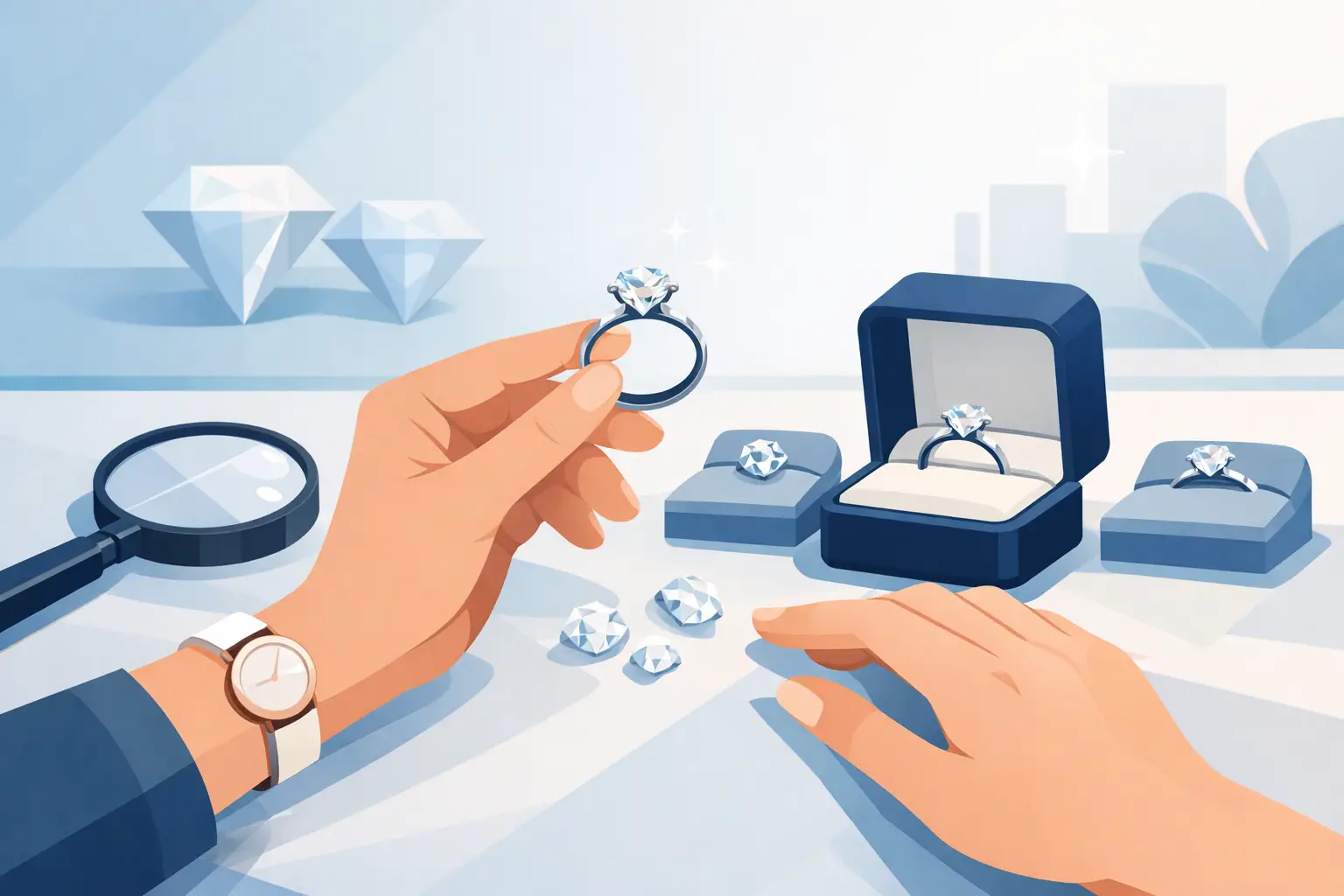
A proposal ring is not simply a beautiful purchase. It is the piece she will notice in morning light, wear beside a silk blouse, lift in every celebration photo, and look down at when she remembers the moment everything changed. Learning how to pick engagement diamonds begins there: with the feeling you want the ring to hold, then the details that make that feeling shine for years.
The most unforgettable diamond is rarely the one with the most impressive number on a certificate. It is the one that catches the light beautifully, suits her personal style, and feels chosen with intention. Whether her look is quietly refined or unmistakably glamorous, the right diamond should make her feel seen before you even ask.
How to Pick Engagement Diamonds That Feel Personal
Start with her life, not a display case. A diamond can be technically exceptional and still feel wrong if the shape, scale, or setting does not reflect the woman wearing it. Notice the jewelry she already loves. Does she favor clean gold hoops and tailored silhouettes? Does she wear delicate layers, vintage details, or bold statement pieces? Her everyday style offers more useful clues than a trend report.
A classic round diamond has brilliant sparkle and works beautifully for someone who loves timeless luxury. Oval diamonds feel elegant and flattering, often appearing larger than their carat weight suggests. Emerald cuts bring a polished, architectural presence with long flashes of light rather than glittering sparkle. Cushion and radiant cuts feel romantic and luminous, while pear and marquise shapes offer a more distinctive, feminine silhouette.
There is no universally best shape. A larger-looking oval may be perfect for someone drawn to visible glamour, while a crisp emerald cut can feel more luxurious to a woman who appreciates restraint. Try to imagine the ring on her hand, with her wardrobe and her energy, rather than choosing only from a tray of loose stones.
Let Cut Lead the Decision
The familiar diamond standards are cut, color, clarity, and carat weight. All matter, but cut deserves your closest attention. It governs how a diamond returns light to the eye. A well-cut stone looks alive – bright at the center, lively at the edges, and full of movement when her hand moves.
For round diamonds, look for an excellent or ideal cut grade from a respected grading laboratory. With fancy shapes such as oval, pear, cushion, and emerald, grading language does not tell the complete story. Ask to see the diamond in different lighting. A stone that sparkles under jewelry-store lights but looks dull near a window is not the same kind of beauty.
Pay attention to bow-tie shadowing in elongated shapes. Ovals, pears, and marquise diamonds can show a dark band across the center. A subtle bow tie is common and can be attractive, but a heavy, obvious shadow may distract from the diamond’s radiance. For emerald and Asscher cuts, inspect the stone closely for transparency and clean, even step facets. These cuts reveal more than they conceal.
A beautiful cut can allow you to be thoughtful elsewhere. Rather than stretching your budget for a larger carat weight, choosing a slightly smaller diamond with exceptional light performance often creates a more luxurious impression on the hand.
Choose Color and Clarity With Her Setting in Mind
Color is graded from colorless to increasingly warm tones. In a white gold or platinum setting, many buyers prefer a diamond in the near-colorless range because it maintains a bright, icy appearance. In yellow or rose gold, a touch of warmth can look intentional and beautiful, especially when it allows more of your budget to go toward cut or size.
Clarity refers to natural internal characteristics, called inclusions, and external marks, called blemishes. The goal is not always flawless. The goal is eye-clean: a diamond that looks clear and beautiful without visible distractions when viewed normally.
This is where a little knowledge protects both your budget and your standards. Extremely high clarity grades can be magnificent, but if the difference cannot be seen without magnification, you may prefer to invest in a stronger cut, a more meaningful size, or a setting with exceptional craftsmanship. Larger emerald-cut diamonds and other step cuts tend to show inclusions more readily, so clarity may matter more there than it does in a brilliant-cut round or cushion diamond.
Ask the jeweler to explain where an inclusion sits, not just the grade on paper. A small inclusion near the edge can often be hidden beneath a prong. One directly under the table, the large central facet you see face-up, may be more noticeable.
Carat Weight Is Presence, Not Proof of Love
Carat describes weight, not visible size or quality. Two diamonds with the same carat weight can look surprisingly different because of their shape, cut proportions, and how much of the stone is visible from above. An oval, marquise, or pear shape often gives more visual spread than a round diamond of equal weight.
Think about proportion. A diamond should feel beautiful on her hand and natural in her life. If she works with her hands, travels often, or prefers understated jewelry, she may love a refined stone in a low, secure setting. If she adores visible luxury and confident femininity, a larger center stone, elongated shape, or halo can create the glamorous look she has always imagined.
Do not let a carat milestone make the choice for you. A 0.90-carat diamond with extraordinary fire may feel more special than a one-carat stone selected only to reach a number. Love is not measured in decimal points, and neither is presence.
Natural or Lab-Grown: Choose the Story That Fits
Both natural and lab-grown diamonds are real diamonds. They have the same essential chemical composition and can offer breathtaking beauty. The meaningful difference is usually origin, availability, and price.
A natural diamond formed over immense time and may appeal to someone who values rarity, heritage, and the romance of an earth-created stone. A lab-grown diamond can make it possible to choose a larger size or higher specifications within the same budget. For many couples, that is an exciting and practical choice.
Neither option is automatically more romantic. The right answer depends on what matters to both of you. Be clear about the diamond’s origin, request independent grading documentation, and purchase from a seller who describes the stone honestly. A diamond should come with confidence, not uncertainty.
The Setting Changes Everything
The setting is the frame around the diamond, but it also shapes daily comfort, security, and overall style. A solitaire makes the center stone the undeniable focus. A pavé band adds a ribbon of light and creates a more glamorous finish. A halo can increase visual impact, while a three-stone ring tells a romantic story of past, present, and future.
Metal makes a difference as well. Platinum is naturally white, enduring, and substantial. White gold offers a bright, classic look. Yellow gold brings warmth and a rich contrast to a colorless diamond, while rose gold feels soft, feminine, and distinctive.
Consider the height of the setting before falling in love with a profile photograph. High-set diamonds can look dramatic and allow more light around the stone, but they may catch on clothing or feel less practical for an active lifestyle. Lower settings offer a sleeker silhouette and more everyday ease. The best ring does not ask her to change how she lives in order to wear it.
Ask for Proof, Then Trust Your Eye
For a significant diamond purchase, independent certification is essential. A grading report identifies the diamond and records its characteristics, offering a reliable reference beyond a sales description. Review the report alongside the actual stone whenever possible.
Also ask about return terms, warranty coverage, resizing, maintenance, and insurance documentation. Fine jewelry deserves thoughtful care. Prongs should be checked over time, especially for rings worn every day, and professional cleaning keeps the setting bright without risking damage from harsh methods at home.
Most of all, give yourself permission to choose the diamond that creates a genuine reaction. The certificate can confirm quality. Your eye recognizes light. Your understanding of her recognizes the rest.
When you place the ring in its box, you are holding more than cut, carat, or color. You are holding a promise designed around her taste, her future, and the beautiful life you are ready to ask her to share.