
Beauty Blog
Lab Grown vs Natural Diamonds: Which Feels Right?

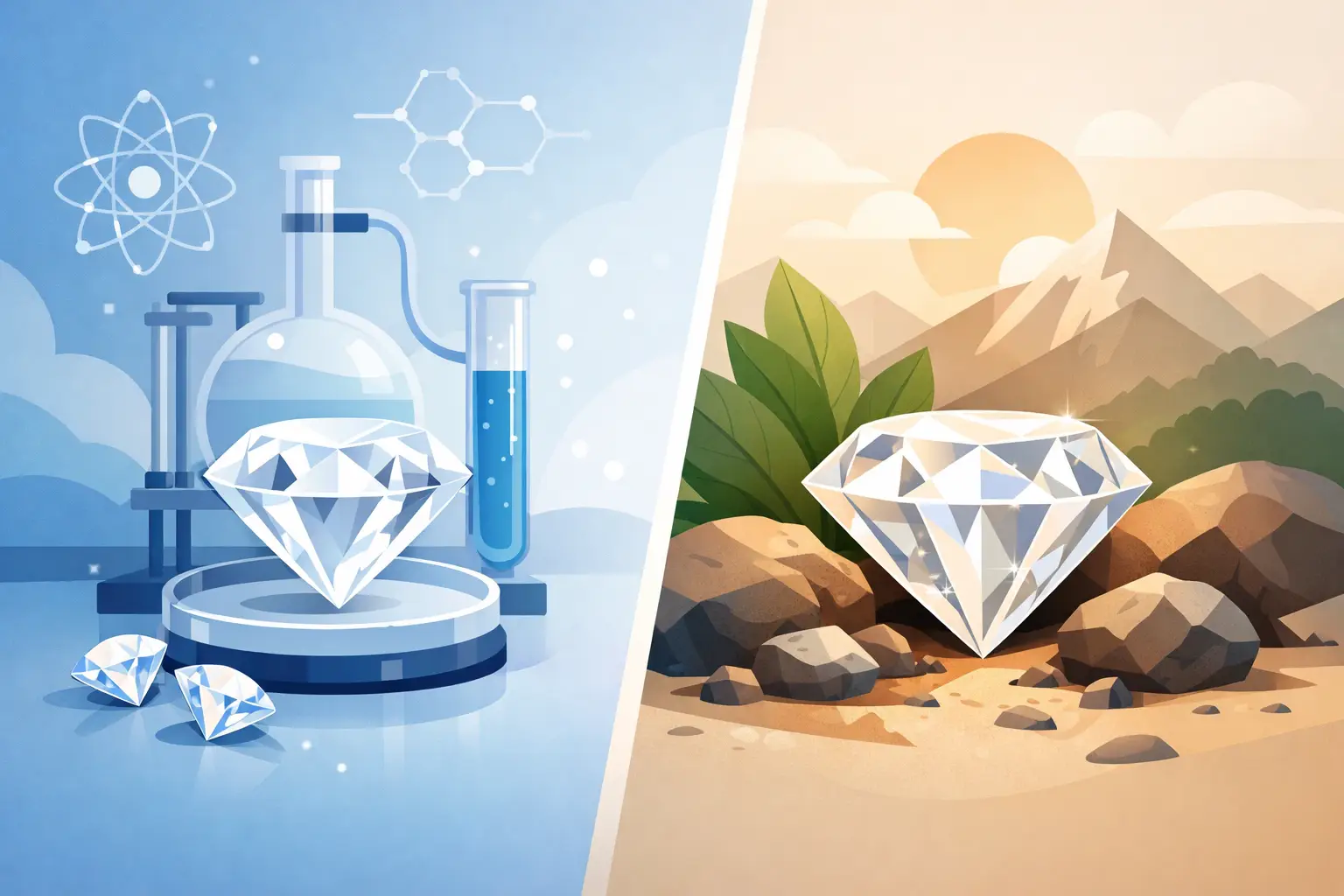
A diamond should feel like more than a purchase. It is the light-catching detail on a hand you love, the center of a proposal, and often the first piece of fine jewelry that becomes part of a family story. When considering lab grown vs natural diamonds, the real question is not which option is universally better. It is which one reflects your values, your vision, and the feeling you want every time you look down at that beautiful sparkle.
Both can be extraordinary. Both can be cut to breathtaking brilliance. Yet their origins, pricing, rarity, and long-term appeal are meaningfully different. Knowing those differences helps you choose with confidence, whether you are planning a proposal, marking a milestone, or giving yourself the luxury you have been waiting for.
Lab Grown vs Natural Diamonds at a Glance
A natural diamond formed deep within the Earth over billions of years. Extreme heat and pressure created its crystalline structure long before it made its way to the surface and, eventually, into a jeweler’s hands. That remarkable timeline is a large part of its romance. A natural diamond is rare by nature, with an origin no laboratory can recreate.
A lab grown diamond is also a real diamond. It is grown in a controlled environment using advanced technology that recreates the conditions required for diamond formation. It has the same core chemical composition as a natural diamond, and it shares the brilliance, hardness, and fire buyers expect from diamond jewelry.
To the unaided eye, a high-quality lab grown diamond and a high-quality natural diamond can look identical. The distinction is not about whether one is “real.” It is about origin, availability, and what that origin means to you.
Beauty Is Not the Difference
The most captivating diamond is not defined by its birthplace alone. Its beauty comes from the way it is cut, how well it reflects light, and the balance of its color and clarity. A superbly cut diamond can look alive with light, while a poorly cut stone may seem less vibrant even if it has a larger carat weight.
Both natural and lab grown diamonds are graded using familiar qualities: cut, color, clarity, and carat weight. For an engagement ring, cut is often the detail worth protecting. A well-cut round brilliant, oval, pear, or emerald-cut diamond can create the polished, luminous presence that makes a ring impossible to ignore.
The details to compare before you fall in love
Ask to see the grading report for any significant diamond purchase. The report should identify whether the stone is natural or laboratory-grown and document its key characteristics. Look closely at cut quality, color range, clarity features, measurements, and any treatments or inscriptions.
For a stone that appears beautifully bright in everyday life, it can be wiser to prioritize excellent or very good cut quality over chasing the highest possible clarity grade. Many inclusions are not visible without magnification, while a diamond’s light performance is something you will notice every day.
The Price Difference Creates More Freedom
Lab grown diamonds generally cost less than natural diamonds with similar grades and size. That price difference may allow you to choose a larger center stone, invest in a more detailed setting, or keep more room in the budget for the celebration itself.
There is nothing less romantic about being practical. A larger lab grown diamond can deliver a dramatic, glamorous look for a lower upfront spend, especially for those who want a bold oval, radiant, or emerald-cut statement. It can be an appealing choice when visual impact is your leading priority.
Natural diamonds usually command a higher price because their supply is limited and their formation is exceptionally rare. For some buyers, that rarity is exactly the point. The idea that a diamond has existed within the Earth for ages before becoming part of your story carries a kind of timeless luxury that is difficult to price.
The right choice depends on what you value most: maximizing size and visual presence today, or owning a naturally rare stone with a geological history unlike any other.
Rarity, Resale, and Long-Term Value
This is where a little clarity matters. Neither lab grown nor natural diamonds should be chosen solely as a financial investment. Jewelry is first an emotional purchase, and resale prices can vary widely based on market demand, brand, cut, condition, certification, and where the piece is sold.
Still, natural diamonds have historically held stronger resale appeal than lab grown diamonds, particularly for exceptional stones. Their finite supply and longstanding place in fine jewelry support their perception as enduring luxury. That does not mean every natural diamond will increase in value, but it does mean the category has a more established secondary market.
Lab grown diamond prices have changed significantly as production has become more available. If future resale value is a major concern, a natural diamond may offer greater reassurance. If you are purchasing for beauty, symbolism, and immediate enjoyment, a lab grown diamond can offer extraordinary sparkle without paying for rarity you may not personally prioritize.
Ethics and Origin Deserve a Thoughtful Look
Some buyers are drawn to laboratory-grown diamonds because their origin is traceable and does not involve traditional mining. That can feel aligned with a modern, intentional approach to luxury.
At the same time, ethical sourcing is not limited to lab grown diamonds. Natural diamond suppliers can follow responsible sourcing practices, provide origin information, and support standards designed to improve transparency throughout the supply chain. Mining also provides employment and infrastructure in diamond-producing communities, though standards and impacts can differ considerably by source.
Laboratory production uses substantial energy, and its environmental profile depends partly on the energy source used by the facility. Natural mining has its own land and resource impacts. Broad claims that one choice is always greener or more ethical can overlook the details. Ask where the diamond came from, how it was produced, and what documentation is available. Luxury feels better when the story behind it is one you can stand behind.
Choose the Stone That Matches Your Love Story
A lab grown diamond may be ideal if you want maximum carat weight, striking brilliance, and more flexibility in your budget. It is a beautiful option for someone who sees a diamond as a symbol of the present moment: radiant, personal, and made to be worn without hesitation.
A natural diamond may be ideal if rarity, tradition, and the romance of an ancient origin speak to you. Its story begins long before the proposal and continues through every anniversary, photograph, and hand-in-hand moment that follows.
Do not forget the setting
The center diamond matters, but the setting creates the full expression. A delicate solitaire lets the stone take center stage. A halo can add extra light and presence. Three-stone designs bring meaning through past, present, and future, while a sculptural yellow-gold or platinum setting can make even a modest diamond feel unmistakably luxurious.
Try to imagine the ring with your real wardrobe and daily routine. If your style is clean and polished, an elegant solitaire may never lose its appeal. If you love glamour, a larger lab grown stone or intricate setting may deliver the radiant statement you want. The most beautiful ring is one that feels completely at home on your hand.
Ask Yourself One Simple Question
When you picture the moment, what matters most? If the answer is an impressive size, elevated design, and a thoughtful budget, lab grown may feel perfect. If the answer is ancient rarity, enduring tradition, and a one-of-a-kind natural journey, a natural diamond may feel like the one.
There is no need to choose according to someone else’s definition of luxury. Choose the diamond that makes your heart pause for a second – the one that feels worthy of the promise, the celebration, and the beautiful life you are creating.