
Beauty Blog
Natural Face Cream Ingredients Guide for Radiance

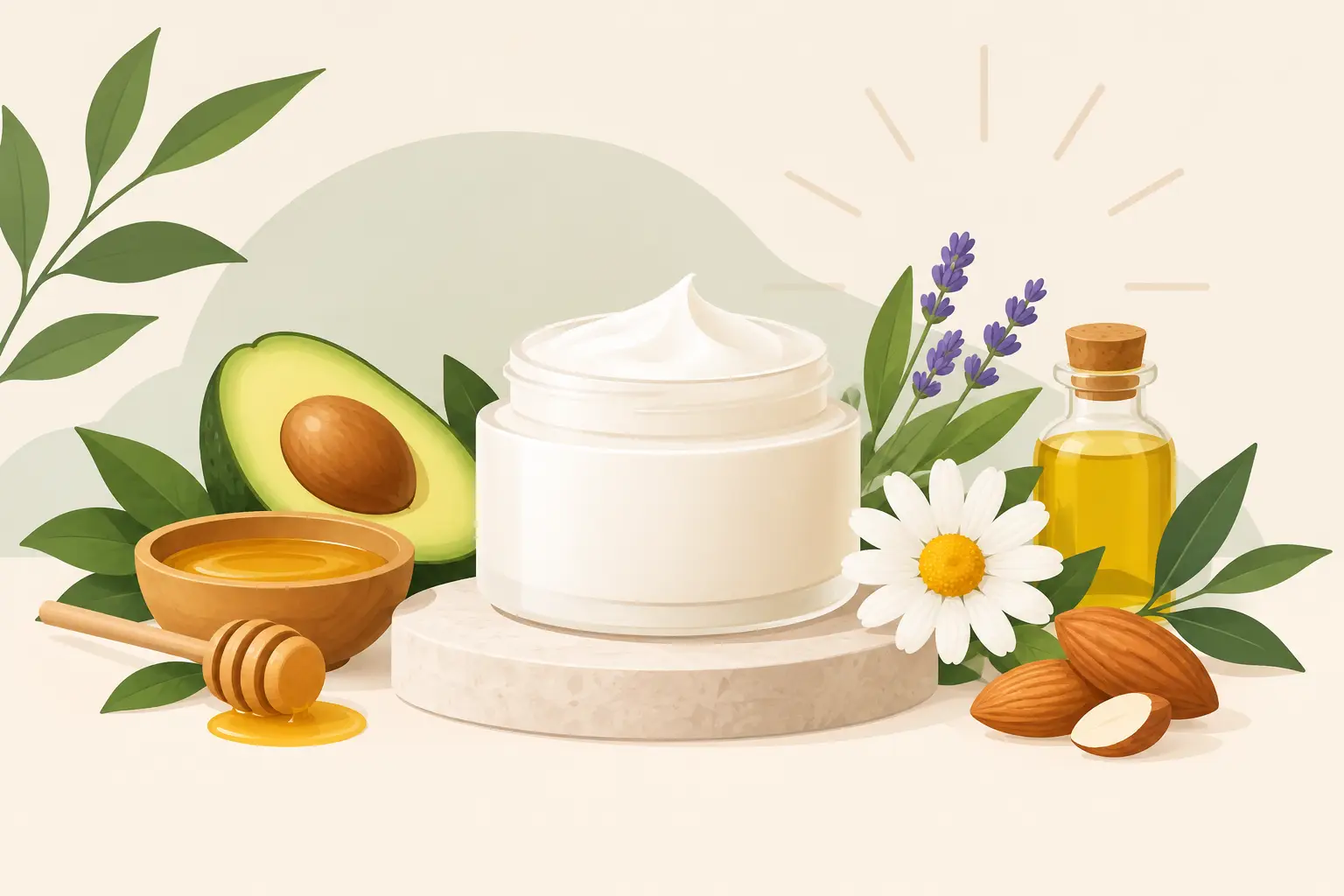
A beautiful cream should feel like more than a pretty jar on your vanity. The right formula can turn a rushed morning into a polished ritual, leaving skin soft, comfortable, and ready for its close-up. This natural face cream ingredients guide helps you read beyond the front-label promises and choose ingredients that support the radiant, cared-for complexion you deserve.
Natural does not have to mean basic, and luxurious does not have to mean complicated. The most elegant formulas balance moisture, comfort, protective antioxidants, and a sensorial finish that makes you want to reach for them every day. What matters is not chasing one fashionable ingredient. It is choosing a thoughtful combination that suits your skin, your climate, and your daytime routine.
Natural Face Cream Ingredients Guide: Start With Moisture
A face cream earns its place in your routine by helping skin hold onto water. Hydrated skin often looks smoother and more luminous because light reflects more evenly across its surface. For anyone focused on graceful aging, this cushion of moisture can also soften the appearance of temporary fine lines caused by dryness.
Look for humectants, ingredients that attract water into the upper layers of skin. Glycerin is a classic favorite because it is effective, gentle, and appropriate for many skin types. Hyaluronic acid is another well-known humectant. Despite its scientific-sounding name, it is naturally found in the body and can be incorporated into formulas made with different sourcing approaches.
A humectant works best when the formula also includes emollients and occlusives. Emollients smooth the skin’s surface, while occlusives slow moisture loss. Plant oils and butters can offer both comfort and a luxurious finish, although the right choice depends on your skin. A richer blend may be beautiful for dry or mature skin, especially in cold weather. If your skin becomes shiny easily or is prone to congestion, a lighter cream may feel more refined and wear better beneath makeup.
Plant Oils That Bring Comfort and Glow
Jojoba oil is prized for its silky texture and its similarity to some of the lipids naturally present on skin. Squalane, often derived from olives or sugarcane, is another elegant option. It feels light, helps soften roughness, and usually layers beautifully with foundation.
Rosehip oil is valued for its fatty acids and naturally occurring antioxidant compounds. It can be especially appealing when dullness is your concern, but it should not be treated as a replacement for proven sun protection. Sunflower seed oil is rich in linoleic acid and can provide a comfortable, nourishing feel without the heaviness some women associate with facial oils.
Shea butter is a classic choice for deeply dry skin. It gives a cream a plush, protective texture, but its richness may not suit every complexion or every season. A luxury routine is personal. There is no prize for using the heaviest cream if your skin feels coated by lunchtime.
Soothing Ingredients for Skin That Needs a Softer Touch
Skin can look less radiant when it feels stressed. Dry indoor air, travel, exfoliation, retinoid use, and long days in the sun can all leave the complexion feeling tight or reactive. A comforting face cream may include botanical ingredients chosen for a calmer experience, such as aloe, oat, calendula, or bisabolol, a component often associated with chamomile.
Colloidal oatmeal is particularly worth noticing when dryness and sensitivity are part of the picture. It is known for its skin-soothing qualities and can make a cream feel reassuring rather than active or intense. Aloe can lend a light, fresh feeling, though it is rarely enough on its own for someone who needs substantial moisture.
Fragrance deserves an honest conversation here. A delicate scent can make skincare feel exquisite, but fragrant essential oils and perfume ingredients can be troublesome for sensitive skin. Natural fragrance is still fragrance. If your complexion is easily irritated, reacts to new products, or is recovering from a treatment, a fragrance-free cream may be the more luxurious choice because comfort is the ultimate indulgence.
Antioxidants: A Finishing Touch for a Brighter-Looking Complexion
Antioxidants help support skin against environmental stressors, making them a desirable part of a well-rounded daily formula. Vitamin E, often listed as tocopherol, is a familiar antioxidant that also supports the formula itself by helping stabilize oils. Green tea, pomegranate, and grape seed extracts are other ingredients often selected for their antioxidant profiles.
Vitamin C can be a standout for a brighter-looking complexion, but it requires careful formulation. Some forms are more stable or gentler than others, and a cream may not deliver the same experience as a dedicated vitamin C serum. If your priority is visible brightness, you may prefer a vitamin C product under your moisturizer. If your priority is comfort and ease, a cream with supporting antioxidant ingredients can be a graceful, simplified choice.
Niacinamide is another ingredient worth recognizing, even though it is not a botanical. It is a form of vitamin B3 and is loved for its versatility. Depending on the formula and concentration, it can support the skin barrier, improve the look of uneven tone, and help skin appear more balanced. Natural skincare is not always about excluding every lab-crafted ingredient. It can also mean choosing a considered formula that respects skin and delivers a beautiful result.
SPF Is Not an Optional Detail
No natural face cream ingredients guide is complete without discussing sunscreen. Moisturizers, botanical oils, and antioxidants can make skin feel wonderful, but they do not take the place of broad-spectrum sun protection. Daily UV exposure is one of the most significant contributors to visible signs of aging, including uneven tone, loss of firmness, and fine lines.
If you want the convenience of moisturizer and high sun protection in one polished step, look for a broad-spectrum SPF 30 or higher and use enough product to cover the face, neck, and other exposed areas. SPF 50 offers a compelling level of protection for women who spend time outdoors, drive frequently, travel, or simply want a stronger daily defense.
Mineral filters, zinc oxide and titanium dioxide, are commonly found in natural-positioned sunscreen formulas. They can be excellent options, especially for sensitive skin, but texture matters. Some leave a white cast, while others are tinted or expertly blended for a more invisible finish. Chemical UV filters can also offer elegant wear and clear application. The best sunscreen is the one you apply generously and are happy to wear every day.
For a luxurious all-in-one ritual, Enisa Kadrii Dream Cream pairs the comfort of moisturizing care with SPF 50, helping make daily protection feel as desirable as it is essential. Still, remember that sunscreen should be reapplied when you are outdoors for extended periods, sweating, or toweling off.
How to Read an Ingredient List With Confidence
The ingredient list, often called the INCI list, is where a cream tells its real story. Ingredients are generally listed from highest to lowest concentration until the lower-level portion of the formula, so the first several ingredients offer useful clues about the product’s base.
Water or aloe near the beginning is common in a cream. Follow that with glycerin, lightweight oils, squalane, fatty alcohols, or skin-conditioning ingredients, and you are likely looking at a formula designed around moisture. Do not be alarmed by ingredients with unfamiliar names. Cetearyl alcohol, for example, is a fatty alcohol that helps create a smooth, creamy texture and is very different from drying alcohols.
Be more cautious when denatured alcohol appears very high on the list if your skin is dry or easily sensitized. It can create a quick-drying, weightless finish, which some oily skin types appreciate, but it can be less comfortable for others. Also consider the full formula rather than rejecting a product based on one ingredient alone. A small amount of an ingredient in a balanced cream may perform very differently than it would in a minimalist formula.
Match the Formula to Your Moment
For dry or mature skin, seek a cream with humectants, nourishing lipids, and a protective finish. For combination skin, look for glycerin, squalane, and a lighter emollient blend that hydrates without overwhelming the T-zone. For sensitive skin, simplify the routine and favor fragrance-free formulas with soothing ingredients. For acne-prone skin, introduce any new rich cream slowly and pay attention to how your skin responds over several weeks.
Patch testing is a quietly glamorous habit. Apply a small amount to a discreet area first, particularly if you have sensitivities or are trying an active ingredient for the first time. If you have persistent irritation, eczema, rosacea, or a skin condition requiring medical care, a dermatologist can offer personalized guidance.
Your face cream should make your skin feel dressed, not disguised. Choose ingredients that bring moisture, softness, and protection to the surface, then give the formula time to become part of your ritual. The most beautiful glow is not forced. It is the look of skin that has been consistently cared for.