
Beauty Blog
How to Select Mineral Sunscreen for Glowing Skin

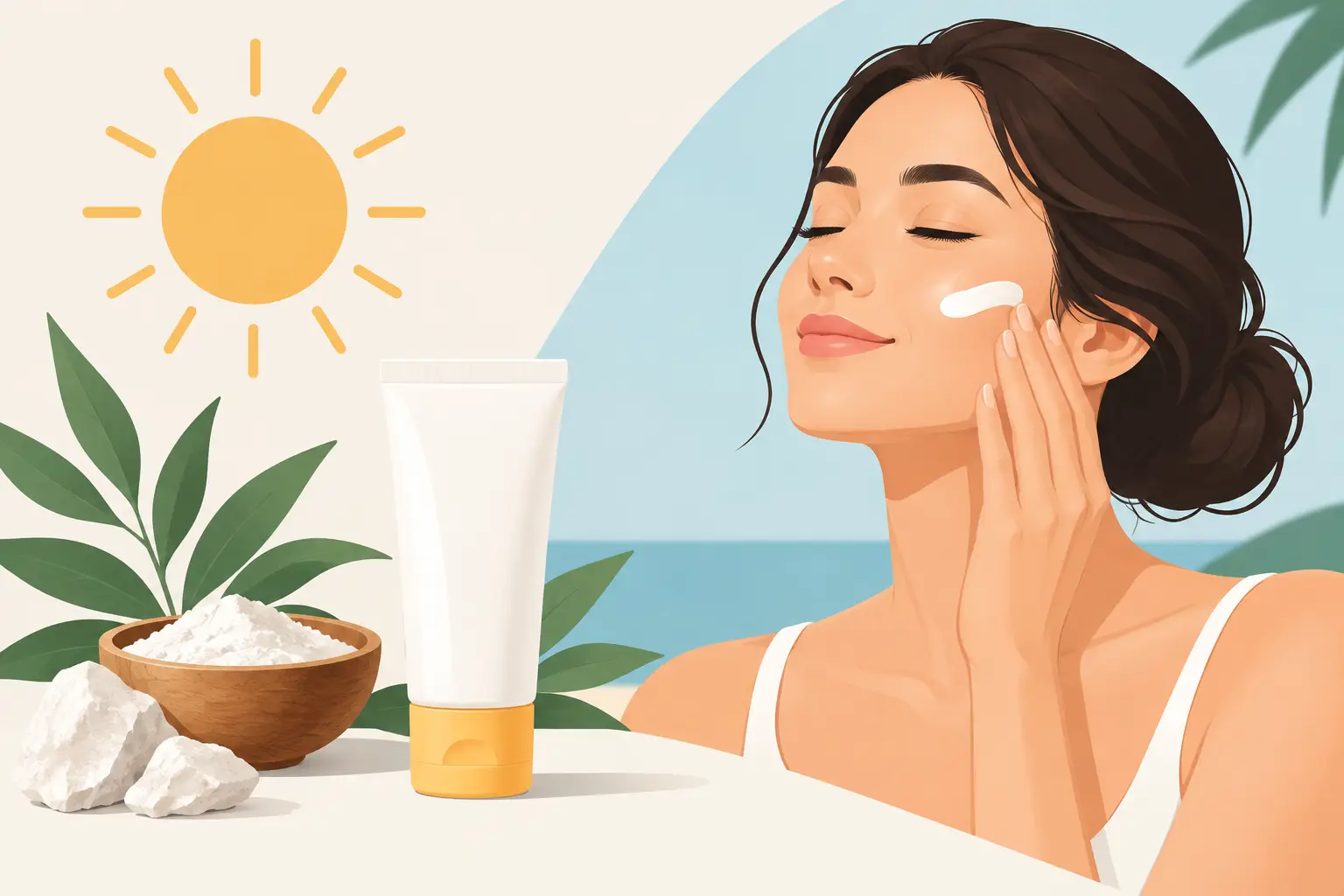
A beautiful complexion is not created by serums alone. The most refined skincare routines make room for daily sun protection, because visible radiance is far easier to preserve than repair. Learning how to select mineral sunscreen means finding more than a high SPF number. You want a formula that protects your skin, respects its needs, and wears beautifully enough that you will reach for it every morning.
Mineral sunscreen can offer that polished balance. With the right texture, shade, and finish, it becomes the final elegant layer in a routine built for hydrated, luminous-looking skin.
How to Select Mineral Sunscreen With Confidence
Start with the UV filters. True mineral sunscreens use zinc oxide, titanium dioxide, or a combination of both to create a protective layer at the skin’s surface. These filters help defend against ultraviolet exposure, which contributes to dark spots, premature-looking lines, uneven tone, and loss of firmness over time.
Zinc oxide is especially valued because it provides broad-spectrum coverage, meaning protection from both UVA and UVB rays. UVA rays are associated with visible signs of aging and can pass through windows, while UVB rays are more closely associated with sunburn. Titanium dioxide also protects well, particularly against UVB, and is often used alongside zinc oxide for an elegant, cosmetically pleasing finish.
Look for the words broad spectrum on the label. A mineral formula without broad-spectrum protection may not offer the balanced coverage your skin deserves. For daily use, SPF 30 is a sensible baseline. SPF 50 is an excellent choice for long days outdoors, sunny travel, beach time, or anyone focused on maintaining an even, youthful-looking complexion.
The numbers do matter, but they are only one part of the decision. A luxurious sunscreen is the one you will apply generously and wear consistently.
Choose a Finish That Complements Your Skin
Older mineral formulas earned a reputation for feeling chalky or leaving a pale cast. Modern formulations can be much more sophisticated, but the finish still varies greatly. Your skin type and makeup preferences should guide the choice.
If your complexion tends to feel dry, look for a mineral sunscreen with humectants and nourishing emollients. Ingredients such as glycerin, hyaluronic acid, squalane, ceramides, and plant oils can help the skin feel soft and comfortable beneath makeup. A moisturizing formula can make the face appear smoother and more rested, especially when fine lines become more visible in dry air or under foundation.
For oily or combination skin, a lightweight fluid, gel-cream, or soft-matte lotion may be more flattering. Seek language such as non-greasy, weightless, shine-control, or satin finish, but give the formula a fair test. A sunscreen that feels velvety at first can become too rich after several hours, particularly in humidity.
Sensitive or reactive skin often benefits from a concise ingredient list and a fragrance-free formula. Mineral filters are frequently preferred by those who find certain chemical filters uncomfortable, but no category is perfect for every person. If your skin is prone to redness, stinging, eczema, or breakouts, introduce a new product gradually and patch test it before wearing it across your face.
Do Not Ignore White Cast and Tint
The most effective sunscreen is not glamorous if it leaves you reluctant to wear it. White cast is a real concern, especially on medium, deep, and richly melanated skin tones. Zinc oxide can appear pale or ashy when a formula has not been designed with enough transparency, pigment, or blendability.
Tinted mineral sunscreen is often a beautiful solution. A sheer tint can soften the look of white cast, add subtle warmth, and create a more even-looking canvas. Many tinted formulas contain iron oxides, which may also be a thoughtful addition for people concerned about visible light and the appearance of discoloration. The shade does not need to provide full makeup coverage. It simply needs to disappear gracefully into your complexion without looking orange, gray, or overly luminous.
When shopping online, study swatches with a discerning eye, but remember that lighting can be misleading. A tinted sunscreen should be tested along the jawline, not only on the hand. Let it settle for several minutes, then check it in natural daylight. A formula that looks lovely in the bathroom mirror may reveal a different undertone outside.
Read the Label Beyond SPF
A carefully chosen mineral sunscreen should fit the rhythm of your real life. If you exercise, swim, spend time by the pool, or walk outdoors in warm weather, look for water resistance. Water-resistant formulas are typically labeled for either 40 or 80 minutes. This does not mean all-day protection. It means the product has been tested to maintain its stated SPF during that period of sweating or water exposure.
For office days, a comfortable facial sunscreen with SPF 30 or SPF 50 may be ideal. For vacations and outdoor events, water resistance and a higher SPF can offer extra reassurance. If your face is easily irritated around the eyes, choose a formula specifically praised for a gentle, non-stinging wear experience, then test it before a special occasion.
It is also wise to consider what you prefer to avoid. Some women want fragrance-free formulas. Others avoid essential oils, certain botanical extracts, silicones, or richer oils because of personal preference or past sensitivity. There is no universal perfect ingredient list. There is only the formula that performs beautifully on your skin and supports consistent use.
Mineral Sunscreen and Makeup Can Be a Perfect Pair
For a polished daily look, sunscreen should sit smoothly under complexion products rather than compete with them. Give it a few minutes to form an even film before applying primer, foundation, or concealer. Rubbing makeup aggressively over fresh sunscreen can disturb that protective layer, so press or pat whenever possible.
A dewy mineral sunscreen may replace primer for someone with dry skin who wants a fresh, luminous finish. A satin or soft-matte formula may be more suitable when you want makeup to remain elegant through a long lunch, event, or workday. Tinted sunscreen can also be worn alone on days when you prefer a light, naturally refined complexion.
Be careful with the idea that makeup containing SPF can replace sunscreen. Most people do not apply enough foundation, powder, or tinted moisturizer to achieve the protection printed on the package. Think of SPF makeup as a lovely bonus, not your primary defense.
Application Is Where Protection Becomes Real
Even an exquisite formula cannot do its job if too little is applied. For the face and neck, use approximately two finger lengths of product, or about one-quarter teaspoon for the face alone. Apply it as the final step of your morning skincare routine, before makeup.
Do not forget the hairline, ears, neck, upper chest, and backs of the hands. These areas are often exposed and easily overlooked. If you are outside, reapply at least every two hours, and sooner after swimming, sweating, or towel drying. A compact, stick, or powder with SPF can be convenient for touch-ups, but a generous layer of lotion or cream usually provides the most reliable reapplication.
If you wear makeup, reapplying can feel less glamorous than the first application. Still, it is a small ritual with a lasting effect. A soft sponge, a tinted mineral formula, or a carefully pressed layer over the high points of the face can help preserve a polished appearance.
Let Your Skin Decide
A beautiful sunscreen is not chosen only by trend, packaging, or a single glowing review. It is selected by how faithfully it serves your skin: broad-spectrum protection, a generous SPF, a finish you enjoy, and a formula that feels graceful from morning to evening.
Give yourself permission to test more than one option. The right mineral sunscreen should feel like an act of care, not a compromise – a final touch that lets your skin look protected, hydrated, and beautifully radiant wherever the day takes you.